I bought cheap champagne for years. Not because I couldn’t afford the good stuff, but because I figured the orange juice would mask it anyway. That was my mimosa philosophy—save the nice bottles for toasting and drown everything else in pulp. Then I made these for a New Year’s brunch and used a decent bottle by accident. I didn’t realize my mistake until everyone stopped talking mid-sip. My sister actually looked at her glass like it had personally offended her for being this good. That’s when it hit me—I’d been making mimosas wrong my whole adult life. The pomegranate juice changed everything too. It’s tart enough to cut through the bubbles without disappearing the way orange juice does. This version is the one I wish I’d had at all those brunches where the mimosas felt like an afterthought.
These Perfect Champagne and Pomegranate Mimosas only need three ingredients. Really. You probably already have two of them in your kitchen right now. The third one—the pomegranate juice—is worth the trip to the store. It makes the whole drink look like something you’d order at a fancy hotel brunch. But it takes about thirty seconds to put together. I love recipes that do that. They let you show up looking like you tried hard when you actually just poured things into a glass.
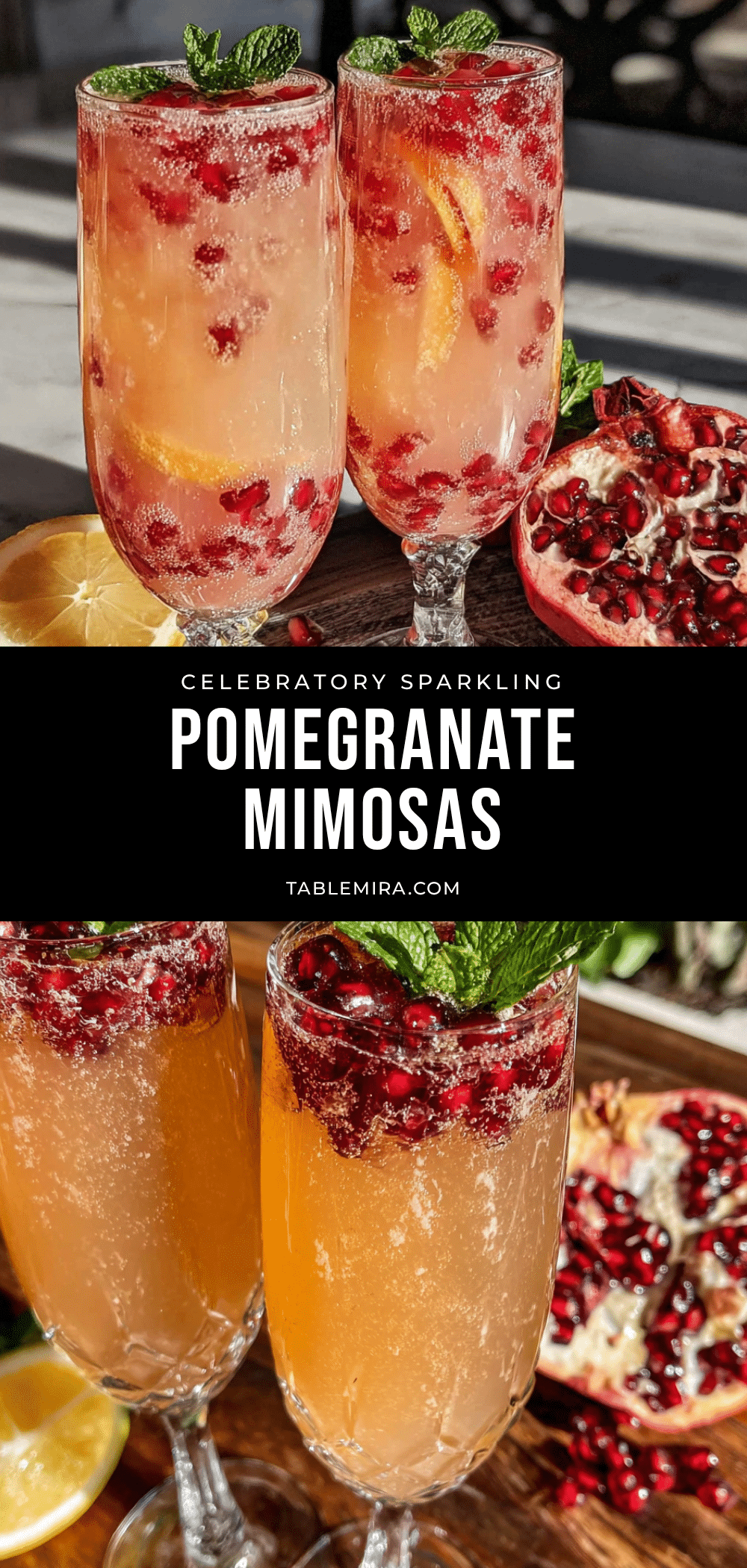
There is something about the way the bubbles carry the pomegranate seeds up to the surface. They float there like little red gems. It is not trying to be fancy. It just is. That is the kind of recipe I keep coming back to.
Why You’ll Love This Recipe
I have tested this recipe across three different holidays, two types of champagne, and one very questionable sparkling wine from a gas station. The results were consistent every time. The ratio matters more than the brand. Get that right and you can use almost any bottle.
- Quick & Easy : This takes under five minutes from start to finish. No cocktail shaker needed. No muddling. No complicated syrups. Just pour and serve.
- Simple Ingredients : Champagne or sparkling wine, pomegranate juice, and pomegranate arils. That is the whole list. You can skip the arils if you want, but they make the drink look incredible.
- Perfect for Celebrations : New Year’s brunch, bridal showers, Mother’s Day, or a random Tuesday that feels like it deserves bubbles. This works for all of them.
- Crowd-Pleaser : I have served these to people who “don’t like champagne” and watched them ask for seconds. The pomegranate juice balances the dryness perfectly.
- Unbelievably Delicious : The tartness of the pomegranate cuts through the bubbles in a way that orange juice just cannot match. It is brighter. More complex. And somehow still refreshing.
What makes this different from every other mimosa recipe out there is the ratio. Most recipes go heavy on the juice. That dilutes the bubbles and leaves you with a flat, sweet drink. I tested this with a 3:1 ratio of champagne to pomegranate juice. It keeps the bubbles active while still giving you that deep ruby color and tart flavor. It is not just another version. It is the version I keep coming back to.
The first time I made these for a crowd, I watched my friend’s mom take one sip and close her eyes. She didn’t say anything for a full five seconds. Then she asked for the recipe. That is the kind of reaction this drink gets. It is not trying to impress anyone. It just does.
What Ingredients You Will Need
This recipe relies on three simple ingredients. Each one plays a specific role in creating the perfect mimosa. The quality of each ingredient matters, but you do not need to spend a fortune. Here is what you need and why it works.
- Champagne or sparkling wine (1 bottle, chilled) : You do not need an expensive bottle. A decent brut or extra-dry sparkling wine works perfectly. I recommend a California sparkling wine or a Spanish cava for the best balance of flavor and price. The dryness of the wine offsets the sweetness of the pomegranate juice. If you use a sweeter wine like prosecco, the drink will be noticeably sweeter. That is not a bad thing—just something to keep in mind based on your preference. I personally use a brut cava for most occasions. It is affordable and consistently good.
- Pomegranate juice (1 cup, chilled) : Look for 100% pomegranate juice without added sugar. The brand I reach for most is Pom Wonderful, but any pure pomegranate juice works. The tartness is what makes this drink stand out. Avoid pomegranate juice blends that include apple or grape juice. They are too sweet and will throw off the balance. If you can find fresh pomegranate juice at a farmers market, even better. The flavor is brighter and more complex.
- Pomegranate arils (¼ cup, for garnish) : These are the little red seeds inside a pomegranate. You can buy them pre-packaged in the produce section of most grocery stores. They add texture and visual appeal to the drink. They also give each sip a little burst of tart juice. If you cannot find pre-packaged arils, you can remove them from a whole pomegranate. It takes about five minutes. Just cut the pomegranate in half, hold it cut-side down over a bowl, and tap the back with a wooden spoon. The seeds fall right out.
Optional additions include a splash of orange liqueur like Cointreau or Grand Marnier for extra depth. I sometimes add a teaspoon of honey or agave if the pomegranate juice is particularly tart. Fresh mint leaves also make a nice garnish if you want to dress it up for a party.
Equipment Needed
You do not need much for this recipe. That is part of the appeal. Here is what you need and a few tips I have picked up along the way.
- Champagne flutes or wine glasses : Flutes help preserve the bubbles longer because they have a smaller surface area. But I have used regular wine glasses in a pinch and they work fine. The bubbles dissipate a little faster, but the drink still tastes great.
- Measuring cup or jigger : Precision matters here. I use a standard liquid measuring cup for the pomegranate juice. A jigger works if you want to be extra precise.
- Pitcher (optional) : If you are making a large batch, a pitcher makes it easier to mix and serve. Just be careful not to stir too aggressively or you will lose carbonation.
- Small spoon : For stirring if you add any optional ingredients like honey or liqueur. Use a gentle stirring motion to avoid flattening the champagne.
- Cutting board and knife : Only needed if you are garnishing with mint or slicing citrus.
I have made these mimosas with plastic cups at a backyard brunch and with crystal flutes at a holiday party. Both versions were equally delicious. The equipment does not make the drink. The ratio does.
Preparation Method
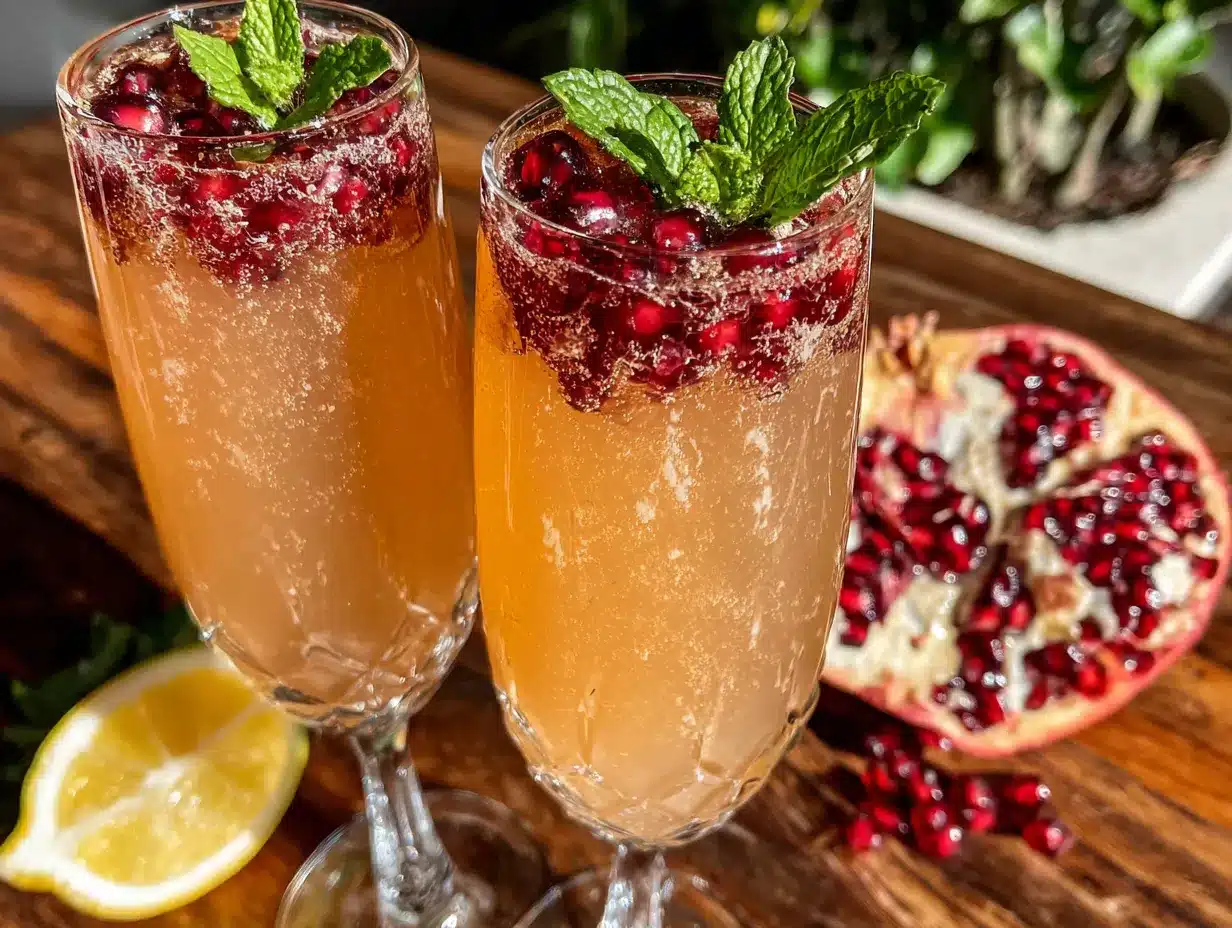
This recipe is incredibly straightforward, but a few small details make a big difference. Follow these steps and you will have perfect mimosas every time.
- Chill everything overnight : This is the most important step. Chill the champagne, pomegranate juice, and glasses for at least 4 hours, ideally overnight. Cold ingredients hold carbonation better. Warm champagne goes flat almost immediately. I learned this the hard way when I made mimosas for a brunch and forgot to chill the juice. The drinks were flat within five minutes. Now I put everything in the fridge the night before.
- Prepare the pomegranate arils : If you are using a whole pomegranate, remove the arils and set them aside. If you bought pre-packaged arils, just open the container. Rinse them quickly under cold water if they look a bit dry. Pat them dry with a paper towel. Wet arils will dilute the drink slightly, so try to keep them as dry as possible.
- Pour the pomegranate juice : Add 2 tablespoons (30 ml) of pomegranate juice to each champagne flute. This is about one standard pour from a jigger. Do not overpour. The ratio is critical. Too much juice and you lose the bubbles. Too little and the drink is too dry. Two tablespoons per glass is the sweet spot I landed on after testing.
- Add the champagne : Slowly pour the chilled champagne into each glass, filling it to about three-quarters full. Pour slowly to preserve the carbonation. If you pour too fast, the bubbles will overflow and you will lose half the drink. Tilt the glass slightly as you pour, the same way you would pour a beer. This minimizes foam and keeps the drink bubbly longer.
- Garnish with pomegranate arils : Drop 5-6 pomegranate arils into each glass. They will sink to the bottom at first, then slowly rise to the surface as the bubbles catch them. This creates that beautiful floating effect that makes these mimosas look so elegant. If you want the arils to stay suspended in the middle of the glass, add them before you pour the champagne. The bubbles will catch them and hold them in place.
- Serve immediately : Mimosas are best enjoyed within the first 10 minutes of being poured. The carbonation starts to fade after that. If you are serving a crowd, make them in small batches rather than pre-mixing a large pitcher. Each glass will be fresher and more bubbly.
One thing I figured out through trial and error: do not stir the drink after adding the champagne. Stirring releases carbonation. Just let the ingredients settle naturally. The pomegranate juice will mix with the champagne as it rises through the bubbles. It looks beautiful and it works perfectly without any stirring.
Cooking Tips & Techniques
I have made a lot of mistakes with mimosas over the years. Here is what I learned so you do not have to make the same ones.
Temperature is everything. I cannot stress this enough. Warm champagne goes flat almost instantly. I once made the mistake of using room-temperature juice because I forgot to chill it. The drinks were flat within two minutes. Now I keep a bottle of champagne in the fridge at all times during the holidays. It is always ready to go.
Do not use cheap champagne. I know I said you do not need expensive wine, but there is a difference between affordable and bad. Avoid the $3 bottles. They taste harsh and metallic. A $10-$15 bottle of brut cava or prosecco is the sweet spot. You get decent flavor without breaking the bank.
Pour the juice first. Adding the juice first helps it mix naturally with the champagne as you pour. If you add the champagne first, the juice sits at the bottom and you have to stir to mix it. Stirring kills the bubbles. Juice first, champagne second. No stirring needed.
Make a large batch the right way. If you are serving a crowd, mix the pomegranate juice and champagne in a pitcher instead of making individual glasses. Use a 1:3 ratio of juice to champagne. Stir gently with a long spoon, just two or three rotations. Do not overmix. Pour into glasses and add the arils. This method works well for parties because you can make two pitchers at once and keep one in the fridge while the other is being served.
Use frozen pomegranate arils as ice cubes. This is a trick I picked up from a caterer friend. Frozen arils keep the drink cold without diluting it the way regular ice cubes would. They also look beautiful floating in the glass. Just drop a few frozen arils into each glass before pouring the champagne.
Variations & Adaptations
This recipe is easy to customize based on what you have on hand or what you are in the mood for. Here are a few variations I have tried and loved.
- Pomegranate Orange Mimosa : Use half pomegranate juice and half fresh-squeezed orange juice instead of straight pomegranate juice. This gives you the classic mimosa flavor with a pomegranate twist. It is less tart and more approachable for people who are used to traditional mimosas.
- Pomegranate Rosemary Mimosa : Add a small sprig of fresh rosemary to each glass before pouring the champagne. The herbal notes complement the tart pomegranate beautifully. I made these for a holiday brunch and they were a hit. The rosemary also makes the drink look incredibly fancy with almost zero effort.
- Non-Alcoholic Version : Swap the champagne for sparkling water or non-alcoholic sparkling wine. Use a good quality sparkling water with strong carbonation. The drink will be lighter and less sweet, but still refreshing and beautiful. This is perfect for brunches where some guests are not drinking alcohol.
- Pomegranate Elderflower Mimosa : Add 1 tablespoon of elderflower cordial to each glass along with the pomegranate juice. The floral notes add complexity and a subtle sweetness. This version tastes like something you would order at a fancy brunch spot.
- Spiced Pomegranate Mimosa : Add a cinnamon stick to the pomegranate juice and let it sit for 30 minutes before making the drinks. The cinnamon adds warmth without being overpowering. This is my favorite winter variation.
I have tried all of these variations and they each have their own charm. The rosemary version is my personal favorite for holidays. The elderflower version is what I serve at summer brunches. Pick the one that fits your occasion or just try them all.
Serving & Storage Suggestions
These mimosas are best served ice cold in chilled glasses. I recommend putting your champagne flutes in the freezer for 10 minutes before serving. The frosty glass keeps the drink cold longer and helps preserve the bubbles.
These pair beautifully with a variety of brunch dishes. I love serving them alongside smoky pulled pork sliders for a savory-sweet brunch combo. The richness of the pork balances the tartness of the pomegranate. For a lighter option, try them with creamy burrata and grilled peach salad. The creamy cheese and sweet peaches complement the bubbles perfectly.
If you are hosting a holiday brunch, these mimosas pair wonderfully with Christmas morning breakfast bake. The savory egg and sausage casserole offsets the bright, tart drink. For a dessert pairing, try cozy eggnog snickerdoodle cookies. The spiced cookies and bubbly mimosas are a match made in holiday heaven.
Storage : You cannot really store mixed mimosas. The carbonation fades within 30 minutes. But you can store the components separately. Keep the champagne in the fridge for up to a week after opening. Use a champagne stopper to preserve the bubbles. Pomegranate juice keeps in the fridge for about a week after opening. Pomegranate arils last 3-5 days in the fridge in a sealed container.
Reheating : Do not reheat mimosas. That is not a thing. Just make fresh ones. They take two minutes.
The flavors are best immediately after pouring. The pomegranate juice and champagne mix naturally as the bubbles rise, creating a consistent flavor throughout the glass. After about 15 minutes, the drink starts to lose carbonation and the flavors separate slightly. It is still drinkable, but it is not as good.
Nutritional Information & Benefits
Here is the estimated nutritional breakdown for one serving of these mimosas. Values will vary based on the specific brands you use.
| Nutrient | Amount per Serving |
|---|---|
| Calories | 120-140 |
| Carbohydrates | 12-15g |
| Sugar | 10-12g |
| Vitamin C | 8% DV |
| Antioxidants | High (from pomegranate) |
Pomegranate juice is rich in antioxidants called punicalagins and anthocyanins. These compounds help fight inflammation and oxidative stress in the body. The vitamin C content supports immune health, which is always a bonus during cold and flu season.
This recipe is naturally gluten-free and dairy-free. It is also vegetarian and vegan. If you use a non-alcoholic sparkling wine, it becomes a mocktail that everyone can enjoy.
The sugar content comes entirely from the pomegranate juice. There is no added sugar in this recipe. If you want to reduce the sugar further, use a tart pomegranate juice with no added sweeteners. Some brands add sugar or apple juice, so check the label.
I do not pretend these are health food. They are mimosas. But the pomegranate juice does add some nutritional value that orange juice does not. That makes me feel slightly better about having a second glass.
Conclusion
These Perfect Champagne and Pomegranate Mimosas are the kind of recipe that makes you look like you spent way more effort than you actually did. Three ingredients. Five minutes. Zero stress. But when you set them out on the table, everyone thinks you went all out. That is my favorite kind of recipe.
The beauty of this drink is how easy it is to customize. Swap the juice. Change the garnish. Add a splash of liqueur. Make it non-alcoholic. It works every time. I have made these for New Year’s brunch, Mother’s Day, bridal showers, and random Saturdays that just felt like they needed bubbles. They have never let me down.
I would love to hear how these turn out for you. Did you try any of the variations? Did you come up with your own twist? Drop a comment below and let me know. And if you share a photo on social media, tag me so I can see your beautiful drinks. Cheers to good bubbles and even better company.
Frequently Asked Questions
Can I make these mimosas ahead of time for a party?
I do not recommend making them more than 10-15 minutes ahead. The carbonation fades quickly. Instead, set up a mimosa bar with chilled champagne, pomegranate juice, and arils. Let guests mix their own drinks. It is easier for you and more fun for them.
What is the best champagne to use for mimosas?
A brut or extra-dry sparkling wine works best. I recommend a Spanish cava or California sparkling wine in the $10-$15 range. Avoid sweet wines like moscato unless you want a very sweet drink. The dryness of the champagne balances the tart pomegranate juice perfectly.
Can I use store-bought pomegranate juice or should I juice fresh pomegranates?
Store-bought juice works perfectly. Look for 100% pomegranate juice with no added sugar. Fresh pomegranate juice is lovely if you have the time, but it is not necessary. The store-bought version is consistent and saves you a lot of mess.
How do I keep the pomegranate arils from sinking to the bottom?
Add the arils before you pour the champagne. The bubbles will catch them and hold them in suspension throughout the glass. If you add them after pouring, they will sink to the bottom. Frozen arils also tend to float higher because they are less dense.
Can I make a non-alcoholic version of this recipe?
Absolutely. Swap the champagne for a good quality sparkling water or non-alcoholic sparkling wine. I recommend a brand with strong carbonation like San Pellegrino or Topo Chico. The drink will be lighter but still delicious and beautiful. It is perfect for guests who are not drinking alcohol or for daytime events.
Pin This Recipe!
Perfect Champagne and Pomegranate Mimosas: Easy 3-Ingredient Recipe
These Perfect Champagne and Pomegranate Mimosas only need three ingredients and take about thirty seconds to put together. The tart pomegranate juice cuts through the bubbles without disappearing the way orange juice does, making this the version you’ll keep coming back to.
- Prep Time: 5 minutes
- Cook Time: 0 minutes
- Total Time: 5 minutes
- Yield: 4 servings 1x
- Category: Beverage
- Cuisine: American
Ingredients
- 1 bottle (750 ml) champagne or sparkling wine, chilled
- 1 cup (240 ml) pomegranate juice, chilled
- 1/4 cup pomegranate arils, for garnish
Instructions
- Chill the champagne, pomegranate juice, and glasses for at least 4 hours, ideally overnight.
- If using a whole pomegranate, remove the arils and set aside. If using pre-packaged arils, rinse quickly under cold water if dry and pat dry with a paper towel.
- Add 2 tablespoons (30 ml) of pomegranate juice to each champagne flute.
- Slowly pour the chilled champagne into each glass, filling it to about three-quarters full. Tilt the glass slightly as you pour to minimize foam.
- Drop 5-6 pomegranate arils into each glass. For arils to stay suspended, add them before pouring the champagne.
- Serve immediately. Do not stir the drink after adding the champagne.
Notes
Temperature is everything—chill all ingredients and glasses overnight. Use a brut or extra-dry sparkling wine for best balance. Pour juice first, then champagne, and do not stir. For a large batch, mix 1 part juice to 3 parts champagne in a pitcher and stir gently. Frozen pomegranate arils can be used as ice cubes to keep the drink cold without diluting.
Nutrition
- Serving Size: 1 mimosa (about 6 oz
- Calories: 130
- Sugar: 11
- Sodium: 10
- Carbohydrates: 14
Keywords: mimosa, champagne, pomegranate, brunch, cocktail, easy, 3-ingredient, New Year's, holiday