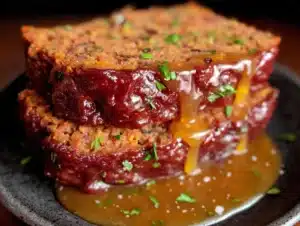
My brother-in-law Mark had sworn off beef stew for fifteen years. Fifteen years. He claimed it was “depressing meat soup” and refused to even taste my mother-in-law’s famous version at every single family gathering. Then last November, I made this one-pot red wine beef stew on a random Tuesday just for myself—I had a cheap bottle of Cabernet I needed to use up and a chuck roast that was staring at me from the fridge. I found him standing over the pot at 6:15 PM, holding a ladle he’d grabbed from my drawer without asking, spooning the broth straight into his mouth. He didn’t even say anything. Just looked at me with these wide eyes and went back for another ladleful.
The thing is, I get the skepticism. Most beef stews are watery, the meat turns into sad little shreds, and the vegetables get mushy beyond recognition. Honestly, I ruined at least four batches before I figured out what actually works for a busy weeknight. You know that feeling when you follow a recipe perfectly and still end up with something that tastes like boiled sadness? I’ve been there more times than I’d like to admit.
This version changed everything because I stopped trying to be fancy. No searing the meat in batches, no deglazing with brandy, no fresh thyme bundles tied with kitchen twine. I mean, who has time for that on a Wednesday? This one-pot red wine beef stew uses a simple trick—browning the meat right in the pot with the onions, then letting the red wine and a tiny bit of tomato paste do all the heavy lifting for depth of flavor. The result is this rich, velvety broth that coats every piece of carrot and potato, with beef that actually stays tender instead of turning into shoe leather. I keep making it because it’s the kind of meal that makes you slow down for ten minutes after a chaotic day, and honestly, we all need more of that.
Why You’ll Love This Recipe
Let me tell you why this one-pot red wine beef stew has become my go-to for those nights when I walk through the door at 6 PM and dinner needs to happen yesterday. I’ve tested this recipe at least a dozen times, tweaking the timing and the liquid ratios, and I can confidently say this is the version that works every single time without stress.
- Truly One-Pot: Everything happens in one Dutch oven or heavy pot. That means one thing to wash. One pot to scrub. No pile of pans staring at you while you’re trying to eat.
- Ready in About an Hour: Most beef stew recipes demand two to three hours of simmering. This one uses a smart shortcut—cutting the beef into smaller, uniform pieces and simmering at a gentle bubble instead of a full boil—so you get that fall-apart tenderness in roughly 60 minutes.
- Pantry-Friendly Ingredients: You need beef chuck, a decent red wine you’d actually drink, carrots, potatoes, onion, garlic, tomato paste, beef broth, and a few dried herbs. That’s it. No trips to specialty stores.
- Minimal Hands-On Time: After about 15 minutes of active prep, you just stir occasionally and let the pot work its magic. You can answer emails, help with homework, or just sit down for five minutes.
- Leftovers That Taste Better: I’m not exaggerating when I say this stew is even more flavorful the next day. The flavors meld together overnight, and the broth gets this incredible depth that makes you want to eat it for breakfast.
What makes this version different from every other beef stew recipe out there is the technique of cooking the tomato paste with the onions until it darkens slightly. That small step—maybe two minutes—adds a savory richness that usually requires hours of simmering. It’s the kind of trick that makes you feel like a kitchen genius without any extra effort.
This stew is the kind of meal that makes a regular Tuesday feel a little special. It’s comfort food that doesn’t demand anything from you except a big spoon and maybe some crusty bread for dipping. Perfect for those evenings when you need something warm and satisfying but don’t have the energy for a complicated production.
What Ingredients You Will Need
This one-pot red wine beef stew uses simple, hearty ingredients that come together to create something far greater than the sum of their parts. Most of these are probably already in your kitchen, which is exactly the point.
- 2 pounds beef chuck, cut into 1-inch cubes — Chuck is my go-to for stew because it has enough marbling to stay tender during simmering. Look for pieces with some fat running through them; lean cuts like sirloin will turn out dry and tough. I usually buy a whole chuck roast and cube it myself—it’s cheaper and I can control the size.
- 2 tablespoons olive oil — Use a good quality olive oil for browning. You don’t need extra-virgin here; regular olive oil works perfectly and has a higher smoke point.
- 1 large yellow onion, diced — Yellow onions have the right balance of sweetness and sharpness for stew. White onions work too, but avoid red onions—they can turn an unappetizing grey color.
- 4 cloves garlic, minced — Fresh garlic makes a difference here. The jarred stuff tends to burn faster and has a milder flavor. I mince mine right before adding it to the pot.
- 3 tablespoons tomato paste — This is the secret weapon for deep, concentrated flavor. I buy the tubes of tomato paste instead of cans because I can use just what I need and keep the rest in the fridge.
- 1 cup dry red wine — Use something you’d actually drink. A Cabernet Sauvignon, Merlot, or Pinot Noir all work beautifully. Avoid “cooking wine” (it has added salt and preservatives) and anything labeled sweet. I’ve used a $7 bottle of Cabernet with great results—you don’t need to spend much.
- 3 cups beef broth — Low-sodium is important here so you can control the salt level. I prefer Better Than Bouillon paste dissolved in water—it has a richer flavor than most boxed broths and keeps forever in the fridge.
- 4 medium carrots, peeled and cut into 1-inch chunks — Baby carrots work in a pinch, but whole carrots have better flavor and texture. Cut them into similar-sized pieces so they cook evenly.
- 1 pound Yukon Gold potatoes, cut into 1-inch cubes — Yukon Golds hold their shape better than Russets and have a creamier texture. Red potatoes also work. Avoid Russets unless you want them to break down into the broth (which isn’t bad, just different).
- 2 bay leaves — Dried bay leaves are fine here. Fresh ones have a slightly different flavor but work too. Just remember to remove them before serving.
- 1 teaspoon dried thyme — Dried thyme is more concentrated than fresh, so adjust if using fresh (use about 1 tablespoon fresh leaves). I’ve tried both and honestly prefer dried for this recipe—it distributes more evenly.
- 1 teaspoon salt, plus more to taste — Start with less and adjust at the end. Different broths and wines have varying salt levels.
- ½ teaspoon black pepper — Freshly ground is best, but pre-ground works in a pinch.
- 2 tablespoons all-purpose flour (optional, for thickening) — I usually don’t need it because the potatoes naturally thicken the broth as they cook. But if you want a thicker stew, stir this in with the tomato paste.
Equipment Needed
The beauty of this one-pot red wine beef stew is that you don’t need fancy equipment. Here’s what you’ll actually use:
- A heavy-bottomed pot or Dutch oven (5 to 6 quarts) — This is the star of the show. A Dutch oven distributes heat evenly and retains it well, which means your stew simmers gently without burning on the bottom. I use a Lodge enameled cast iron Dutch oven that I got for $50, and it’s been going strong for years. If you don’t have one, any heavy-bottomed pot with a tight-fitting lid will work—just keep an eye on the heat to prevent scorching.
- A sharp chef’s knife — You’ll be cutting beef and vegetables, so a sharp knife makes the job faster and safer. A dull knife is actually more dangerous because it slips.
- A wooden spoon or silicone spatula — Something sturdy enough to scrape up the browned bits from the bottom of the pot. Those bits are pure flavor.
- A cutting board — Preferably one with a groove to catch juices from the beef.
- Measuring cups and spoons — For the wine, broth, and seasonings.
- A ladle — For serving. Or for your brother-in-law to sneak tastes straight from the pot.
If you don’t have a Dutch oven, a stainless steel stockpot works fine. Just be careful with the heat—stainless steel conducts heat differently and can develop hot spots. Stir more frequently if using one.
Preparation Method
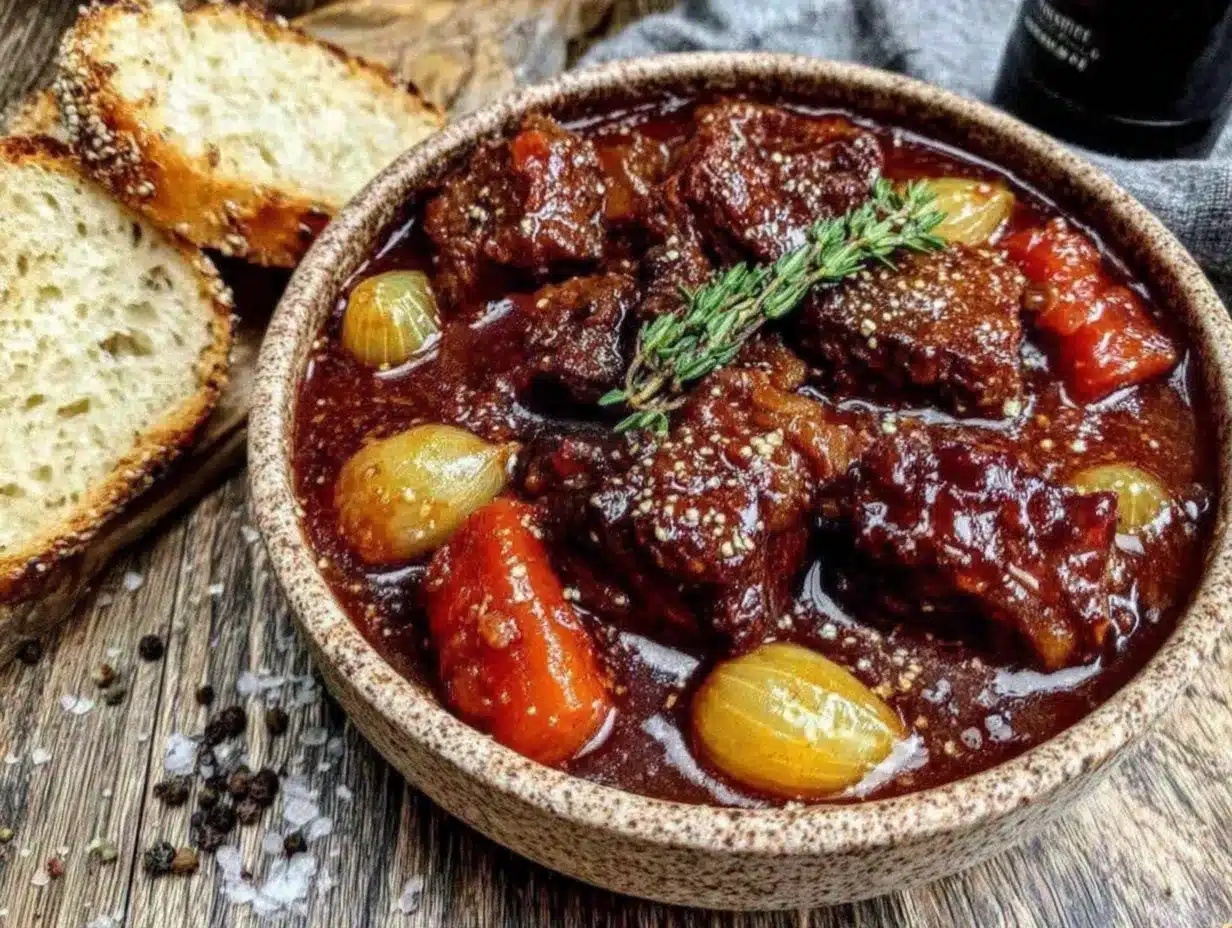
Let me walk you through this step by step. I’ve organized this so you can move through it efficiently, with minimal downtime.
- Prep your ingredients first (5 minutes). Cube the beef into 1-inch pieces, dice the onion, mince the garlic, peel and chop the carrots, and cut the potatoes. Having everything ready before you start cooking makes the process so much smoother. I learned this the hard way after burning garlic while frantically trying to chop an onion.
- Heat the oil and brown the beef (8-10 minutes). Place your pot over medium-high heat and add the olive oil. Once it shimmers (you’ll see tiny ripples on the surface), add the beef cubes in a single layer. Don’t crowd the pot—if necessary, work in two batches. Let the beef sit undisturbed for 2-3 minutes per side until it develops a deep brown crust. You’re not trying to cook it through; you’re building flavor. The bits stuck to the bottom of the pot (called fond) are pure gold for the broth.
- Cook the onions (5 minutes). Reduce the heat to medium. Add the diced onion to the pot with the beef and stir. Scrape up any browned bits from the bottom as the onions release their moisture. Cook until the onions are translucent and starting to soften, about 5 minutes. If the pot looks dry, add a splash of beef broth.
- Add garlic and tomato paste (2 minutes). Stir in the minced garlic and tomato paste. Cook for 1-2 minutes, stirring constantly, until the tomato paste darkens to a deeper red color and smells rich and savory. This step is non-negotiable—it concentrates the flavor and removes the raw, acidic taste of tomato paste.
- Pour in the wine and deglaze (3 minutes). Pour the red wine into the pot and stir vigorously, scraping up any remaining browned bits from the bottom. Let the wine bubble and reduce slightly, about 2-3 minutes. You’ll notice the smell changes from sharp alcohol to something deeper and more aromatic. This is where the stew starts coming together.
- Add broth, herbs, and seasonings (1 minute). Pour in the beef broth, add the bay leaves, dried thyme, salt, and pepper. Stir everything together. The liquid should just barely cover the beef and vegetables—if it doesn’t, add a splash more broth or water.
- Simmer the stew (40-45 minutes). Bring the liquid to a gentle boil, then reduce the heat to low so it’s at a steady, gentle simmer. You should see small bubbles breaking the surface, not a vigorous boil. Cover the pot with the lid slightly ajar to allow some steam to escape. Let it simmer for 20 minutes.
- Add the vegetables (20-25 minutes more). After 20 minutes, add the carrots and potatoes to the pot. Stir them in gently, making sure they’re submerged in the liquid. Cover again and continue simmering for another 20-25 minutes, until the vegetables are fork-tender and the beef is easily pierced with a fork.
- Check and adjust (2 minutes). Remove the bay leaves. Taste the broth and adjust salt and pepper as needed. If you want a thicker stew, you can mash a few potato pieces against the side of the pot with your spoon and stir them in—this releases their starch and naturally thickens the broth.
- Rest before serving (5 minutes). Let the stew sit off the heat for 5 minutes before serving. This allows the flavors to settle and the broth to thicken slightly. I know it’s hard to wait, but trust me on this one.
A few sensory cues to watch for: The broth should be a deep, rich brown color with a glossy sheen on top. The beef should be tender enough that a fork slides in with minimal resistance, but not falling apart into shreds. The carrots should be tender but still hold their shape. If you taste the broth and it seems thin or watery, let it simmer uncovered for another 5-10 minutes to reduce and concentrate.
Cooking Tips & Techniques
After making this one-pot red wine beef stew more times than I can count, I’ve collected a few tricks that make the difference between good stew and “I can’t stop eating this” stew.
Don’t skip browning the meat. I know it’s tempting to just dump everything in the pot and call it a day, but browning the beef adds a layer of flavor that you simply cannot get any other way. The browned bits stuck to the bottom of the pot are where all the magic happens. If you skip this step, your stew will taste flat and one-dimensional.
Cut the beef into uniform pieces. This is probably the most common mistake I see. If your beef pieces range from ½ inch to 2 inches, some will be overcooked and tough while others are still underdone. Take the extra two minutes to make them all roughly the same size. Your future self will thank you.
Watch your simmer. A gentle simmer is key. If you boil the stew vigorously, the beef will toughen up and the vegetables will turn to mush. You want small, lazy bubbles breaking the surface—not a rolling boil. I once made the mistake of walking away and letting it boil for 10 minutes, and the beef turned into tiny, dry pellets. Learn from my failure.
Salt in layers. Add salt at the beginning (when browning), in the middle (when adding broth), and at the end (when adjusting seasoning). This builds complexity. But go easy—you can always add more, but you can’t take it out.
Use the right wine. I mentioned this earlier, but it bears repeating: use a wine you’d actually drink. The wine’s flavor concentrates as it simmers, so if you use something cheap and harsh, that harshness will be front and center in your stew. A $7 bottle of Cabernet is fine—just make sure it tastes good to you before you pour it in.
Multitask wisely. While the stew simmers, use that time to wipe down your counter, wash your cutting board, or prep a simple side like crusty bread or a green salad. The stew needs almost no attention during the simmering phase, so you can actually get ahead on cleanup.
Variations & Adaptations
This one-pot red wine beef stew is wonderfully adaptable. Here are a few variations I’ve tried and loved:
Dairy-Free Version: This recipe is naturally dairy-free as written, so no changes needed. If you’re adding a dollop of sour cream on top (which I sometimes do), just skip it or use a dairy-free alternative.
Gluten-Free Adaptation: The recipe is naturally gluten-free if you skip the optional flour thickener. The potatoes do a great job of thickening the broth on their own. If you want extra thickness, stir in a tablespoon of cornstarch mixed with two tablespoons of cold water at the end.
Vegetable-Packed Version: Add a cup of frozen peas or green beans in the last 5 minutes of cooking for extra color and nutrients. I’ve also added chopped celery and parsnips alongside the carrots and potatoes—they add a subtle sweetness that complements the red wine beautifully.
Herb Swaps: If you don’t have dried thyme, try dried rosemary or oregano. I once used a teaspoon of dried marjoram when I ran out of thyme, and it was surprisingly delicious—more floral and delicate.
Slow Cooker Method: Brown the beef and cook the onions, garlic, and tomato paste in a skillet first, then transfer everything to a slow cooker. Add the wine, broth, and herbs, and cook on low for 6-8 hours. Add the vegetables in the last 2 hours so they don’t turn to mush.
Instant Pot Version: Use the sauté function to brown the beef and cook the aromatics. Add the wine and deglaze, then add the broth, herbs, and vegetables. Pressure cook on high for 20 minutes with a natural release. The timing is different, but the flavor is just as good.
My personal favorite variation is adding a parsnip or two along with the carrots. Parsnips have this earthy, slightly sweet flavor that feels made for red wine and beef. I discovered this by accident when I had a sad, lonely parsnip in my fridge that needed using up, and now I do it every time.
Serving & Storage Suggestions
This stew is incredibly versatile when it comes to serving. Here’s how I like to do it:
Serving: Ladle the stew into wide, shallow bowls so the broth has room to spread. I always serve it with a thick slice of crusty bread for dipping—sourdough or a rustic French loaf works beautifully. The bread soaks up that rich, wine-infused broth in a way that makes you want to lick the bowl. A simple green salad with a lemon vinaigrette on the side cuts through the richness nicely.
Temperature: Serve the stew piping hot. It’s meant to be warming and comforting, so don’t let it sit around too long before serving. If you need to keep it warm while you finish other dishes, keep it on the lowest possible heat with the lid on.
Garnishes: A sprinkle of fresh parsley adds a pop of color and freshness. I’ve also topped it with a dollop of sour cream or Greek yogurt for tanginess, or a few grinds of fresh black pepper right before serving.
Storage: This stew is one of those rare dishes that actually improves after a day in the fridge. Let it cool completely, then transfer it to an airtight container. It will keep in the refrigerator for up to 4 days. The flavors meld and deepen, and the broth gets even more luscious.
Freezing: This stew freezes beautifully. Portion it into freezer-safe containers or zip-top bags (lay them flat for easy stacking). It will keep for up to 3 months. Thaw overnight in the refrigerator before reheating.
Reheating: Reheat gently on the stovetop over medium-low heat, stirring occasionally. Add a splash of beef broth or water if it seems too thick. You can also reheat individual portions in the microwave—just cover the bowl and heat in 1-minute intervals, stirring between each.
One thing I love about this stew is that the flavors continue to develop over time. Day-old stew tastes noticeably richer and more complex than freshly made. So if you can, make it a day ahead and let it hang out in the fridge. Your taste buds will thank you.
Nutritional Information & Benefits
Here’s an estimated nutritional breakdown per serving (based on 6 servings):
- Calories: Approximately 420-460 per serving
- Protein: 35-38 grams
- Fat: 18-22 grams
- Carbohydrates: 28-32 grams
- Fiber: 4-5 grams
- Iron: 25% of daily value (from beef and potatoes)
- Vitamin A: 80% of daily value (from carrots)
- Vitamin C: 15% of daily value (from potatoes)
This one-pot red wine beef stew is surprisingly nutritious for such a comforting dish. The beef chuck provides high-quality protein and iron, which is especially important if you’re active or need an energy boost. Carrots are packed with beta-carotene (which your body converts to vitamin A), and potatoes offer potassium and vitamin C. The red wine adds antioxidants called polyphenols, which are great for heart health when consumed in moderation.
Dietary considerations: This recipe is naturally dairy-free and gluten-free (if you skip the optional flour). It’s also low in added sugar—the only sweetness comes naturally from the vegetables and a tiny bit from the wine. If you’re watching your sodium, use low-sodium beef broth and go easy on the added salt.
I personally love that this stew feels indulgent but is actually a balanced meal in a bowl. It’s the kind of food that fills you up without weighing you down, which is exactly what I need after a long day.
Conclusion
This one-pot red wine beef stew has become my secret weapon for busy weeknights when I need something that feels special but doesn’t demand hours of my time. It’s proof that you don’t need fancy techniques or a dozen ingredients to create something deeply satisfying. The red wine adds a richness that makes the stew feel luxurious, while the simple method keeps it firmly in the realm of practical, everyday cooking.
I love that this recipe is forgiving. You can swap vegetables, adjust the herbs, use a different cut of beef, and it still turns out delicious. It’s the kind of recipe you can make your own—add more garlic if you’re a garlic lover, throw in some mushrooms, or dial up the black pepper for a little heat. The base is solid, and it welcomes your personal touches.
If you make this stew (and I really hope you do), I’d love to hear how it turns out. Did you add something unexpected? Did your family ask for seconds? Did you catch someone eating it straight from the pot with a ladle? Drop a comment below and let me know. And if you’re looking for another easy weeknight meal, check out my slow cooker chicken tortilla soup—it’s another one-pot wonder that saves my sanity on busy nights.
Until next time, happy cooking. And remember—the best meals are the ones that make you slow down, even for just a few minutes.
Frequently Asked Questions
Can I use a different cut of beef for this stew?
Absolutely. While beef chuck is my top recommendation for its marbling and tenderness, you can also use bottom round, top round, or brisket. Just avoid lean cuts like sirloin or tenderloin—they’ll turn out dry and tough. Whatever cut you choose, cut it into uniform 1-inch pieces for even cooking.
Do I have to use red wine, or can I substitute it?
You can substitute the red wine with additional beef broth plus a tablespoon of balsamic vinegar or Worcestershire sauce for acidity and depth. The flavor won’t be exactly the same, but it will still be delicious. If you’re avoiding alcohol, the alcohol in the wine cooks off during the simmering process, leaving only the flavor behind.
Can I make this stew in advance for meal prep?
Yes, and I actually recommend it! This stew tastes even better the next day after the flavors have had time to meld. Make it a day ahead, let it cool completely, and store it in the refrigerator. Reheat gently on the stovetop when you’re ready to serve. It keeps well for up to 4 days in the fridge.
How can I thicken the stew if it’s too thin?
If your stew is thinner than you’d like, try mashing a few potato pieces against the side of the pot with your spoon—the starch will naturally thicken the broth. You can also mix 1 tablespoon of cornstarch with 2 tablespoons of cold water and stir it into the simmering stew. Let it cook for 2-3 minutes, and it will thicken up nicely.
Can I add other vegetables to this stew?
Definitely. This recipe is very adaptable. Try adding frozen peas or green beans in the last 5 minutes of cooking, or toss in some chopped celery, parsnips, or mushrooms along with the carrots and potatoes. Just keep the total vegetable volume similar to what’s listed so the liquid-to-solid ratio stays balanced.
Pin This Recipe!
Easy One-Pot Red Wine Beef Stew for Busy Weeknights
A rich, velvety beef stew made in one pot with red wine, tender beef, carrots, and potatoes. Ready in about an hour, this comforting weeknight dinner uses simple ingredients and smart shortcuts for deep flavor without fuss.
- Prep Time: 15 minutes
- Cook Time: 45 minutes
- Total Time: 1 hour
- Yield: 6 servings 1x
- Category: Main Course
- Cuisine: American
Ingredients
- 2 pounds beef chuck, cut into 1-inch cubes
- 2 tablespoons olive oil
- 1 large yellow onion, diced
- 4 cloves garlic, minced
- 3 tablespoons tomato paste
- 1 cup dry red wine (Cabernet Sauvignon, Merlot, or Pinot Noir)
- 3 cups low-sodium beef broth
- 4 medium carrots, peeled and cut into 1-inch chunks
- 1 pound Yukon Gold potatoes, cut into 1-inch cubes
- 2 bay leaves
- 1 teaspoon dried thyme
- 1 teaspoon salt, plus more to taste
- ½ teaspoon black pepper
- 2 tablespoons all-purpose flour (optional, for thickening)
Instructions
- Prep your ingredients first: cube the beef into 1-inch pieces, dice the onion, mince the garlic, peel and chop the carrots, and cut the potatoes.
- Heat the olive oil in a heavy-bottomed pot or Dutch oven over medium-high heat. Add the beef cubes in a single layer (work in batches if needed) and brown for 2-3 minutes per side until a deep brown crust forms. Remove beef if necessary, but keep it in the pot.
- Reduce heat to medium. Add the diced onion and cook for about 5 minutes, scraping up browned bits from the bottom, until translucent and softened.
- Stir in the minced garlic and tomato paste. Cook for 1-2 minutes, stirring constantly, until the tomato paste darkens and smells rich.
- Pour in the red wine and stir vigorously, scraping up any remaining browned bits. Let the wine bubble and reduce for 2-3 minutes.
- Add the beef broth, bay leaves, dried thyme, salt, and pepper. Stir to combine. The liquid should just barely cover the beef and vegetables; add a splash more broth or water if needed.
- Bring to a gentle boil, then reduce heat to low for a steady, gentle simmer. Cover with the lid slightly ajar and simmer for 20 minutes.
- After 20 minutes, add the carrots and potatoes. Stir gently to submerge them in the liquid. Cover and continue simmering for another 20-25 minutes, until vegetables are fork-tender and beef is easily pierced.
- Remove the bay leaves. Taste and adjust salt and pepper as needed. For a thicker stew, mash a few potato pieces against the side of the pot and stir in.
- Let the stew rest off the heat for 5 minutes before serving.
Notes
For best flavor, use a wine you’d drink. The stew improves after a day in the fridge. To thicken, mash some potatoes or use a cornstarch slurry. For a slow cooker, brown beef and cook aromatics first, then transfer everything to slow cooker and cook on low for 6-8 hours, adding vegetables in the last 2 hours. For Instant Pot, use sauté function for browning, then pressure cook on high for 20 minutes with natural release.
Nutrition
- Serving Size: 1 serving (about 1.5
- Calories: 440
- Sugar: 6
- Sodium: 800
- Fat: 20
- Saturated Fat: 6
- Carbohydrates: 30
- Fiber: 5
- Protein: 36
Keywords: beef stew, one-pot, red wine, weeknight dinner, comfort food, easy stew