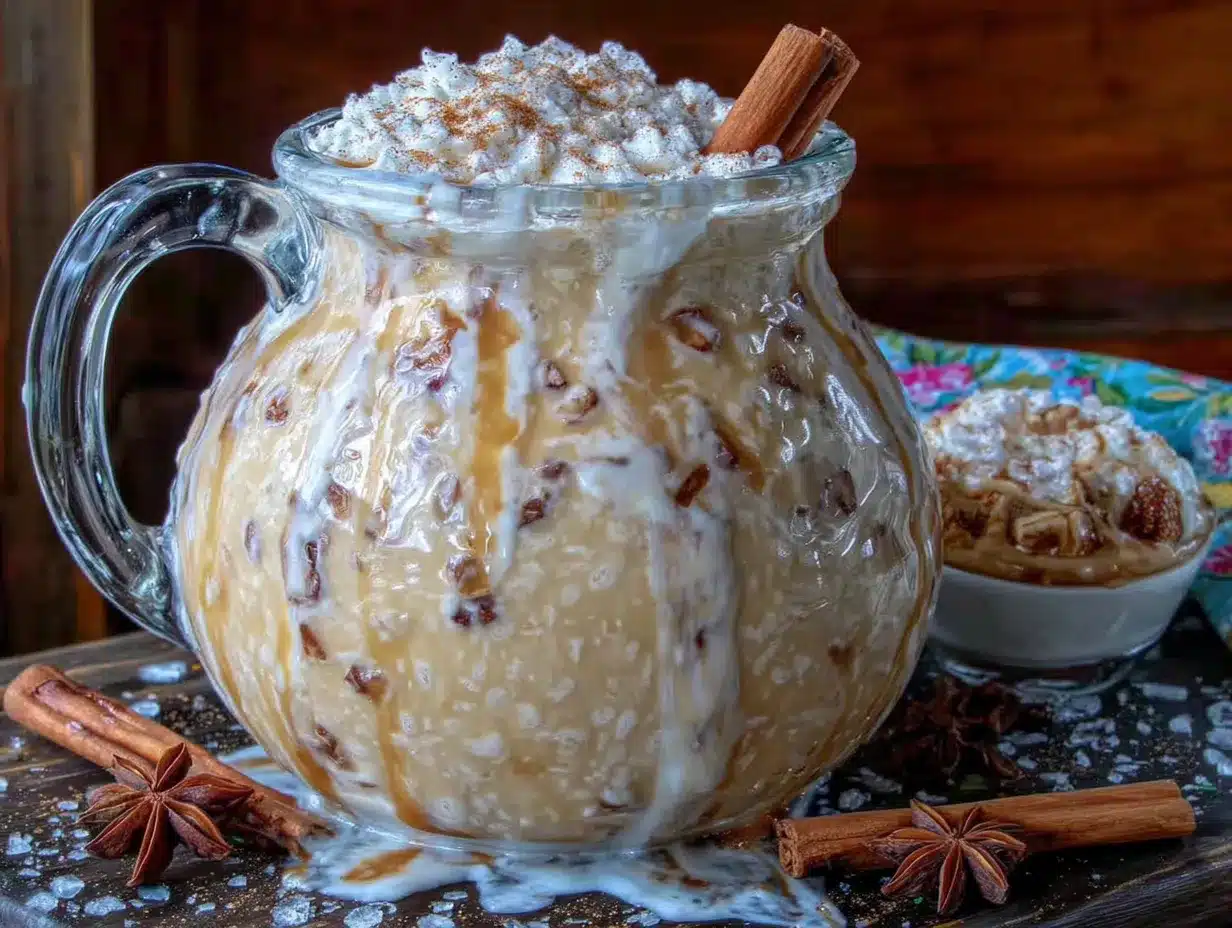
My coworker Marisol wasn’t trying to impress anyone when she walked into our break room on a chilly December morning carrying a glass pitcher full of something that looked like melted ice cream. I’d stopped by to grab my lunch from the fridge, and the smell of cinnamon and coconut hit me before I even opened the door. She set it down on the counter like it was nothing—just a container of coffee creamer or something equally boring.
“What is that?” I asked, probably a little too eagerly.
She shrugged. “Oh, just my grandma’s coquito. My family would kill me if I showed up to Christmas Eve without it.”
She poured me a tiny cup, and honestly, I didn’t know what to expect. I’d heard of coquito before—Puerto Rican coconut eggnog, people call it—but I’d never actually tried it. One sip and I literally closed my eyes. It was creamy and rich, with warm spices that seemed to wrap around me like a blanket. The coconut flavor was there, but it wasn’t overwhelming. And there was something else, something I couldn’t quite name, that made it taste like a hug in a cup.
I asked her for the recipe, and she laughed. “Good luck. My grandma doesn’t measure anything.”
So I did what any reasonable person would do—I watched her make it the following weekend, scribbling notes as she tossed in a splash of this and a pinch of that. Maybe you’ve been there, trying to decode a family recipe that’s been passed down by feel and memory rather than written instructions. It took me three tries to get it right, but this easy homemade Puerto Rican coquito is finally the version that tastes like hers. Or close enough that Marisol gave me the nod of approval, which is basically a gold medal in my book.
Why You’ll Love This Recipe
This isn’t just another holiday drink recipe. After testing this coquito about six times (somebody had to do it), I can tell you exactly why this version stands out from the crowd.
- Simple Ingredients: You don’t need to hunt down obscure ingredients at specialty stores. Most of what you need is already in your pantry or the baking aisle at your regular grocery store.
- No Cooking Required: Unlike traditional eggnog that requires tempering eggs and constant stirring, this coquito comes together in about 10 minutes of active work. Just blend, stir, and chill.
- Perfect for the Holidays: Whether you’re hosting a Christmas party, attending a potluck, or just want something special to sip by the fire, this drink delivers that festive feeling every time.
- Crowd-Pleaser: I’ve brought this to three different gatherings now, and every single time, someone asks for the recipe. Even people who say they don’t like coconut milk drinks end up going back for seconds.
- Make-Ahead Friendly: The flavors actually get better after a day or two in the fridge. You can make this a week ahead of your party and just pour it when guests arrive.
What makes this recipe different from the dozens of others floating around the internet? It’s the balance. Some versions are too sweet, some are too boozy, and some have a thin, watery texture that just doesn’t feel special. This one hits that sweet spot—rich and creamy without being heavy, spiced without tasting like a candle, and with just enough rum to warm you up without knocking you over.
This is the kind of drink that makes you slow down. You take a sip, and suddenly you’re not thinking about your to-do list or the gifts you still need to wrap. You’re just there, in the moment, enjoying something that tastes like it was made with love. Because it was.
What Ingredients You Will Need
This recipe uses simple, wholesome ingredients that come together to create something truly special. Most of these are pantry staples or easy to find at any grocery store, which makes this coquito perfect for last-minute holiday hosting.
For the Coquito Base
- Cream of coconut (15 ounces) – This is different from coconut milk or coconut cream. Look for Coco López or Goya brand in the international aisle. It’s already sweetened and has that thick, luscious texture that makes coquito so decadent.
- Unsweetened coconut milk (13.5 ounces, full-fat) – Don’t grab the light version here. The full-fat coconut milk gives this drink its signature richness and body. I prefer Thai Kitchen or Native Forest brands.
- Evaporated milk (12 ounces) – This adds creaminess without making the drink too heavy. It also helps balance the sweetness of the cream of coconut.
- Sweetened condensed milk (14 ounces) – For that silky, sweet richness that makes coquito taste like liquid dessert. This is non-negotiable for the authentic texture.
- Vanilla extract (1 teaspoon) – Use pure vanilla extract if you can. The artificial stuff has a chemical aftertaste that just doesn’t belong here.
For the Spice Blend
- Ground cinnamon (1 teaspoon) – This is the backbone of the coquito’s warm flavor profile. I use McCormick or Simply Organic.
- Ground nutmeg (½ teaspoon) – Freshly grated is amazing if you have it, but pre-ground works perfectly fine for this recipe.
- Ground cloves (¼ teaspoon) – A little goes a long way. Cloves are potent, so measure carefully.
- Cinnamon sticks (2, for garnish and steeping) – These are optional but highly recommended. They add a subtle extra layer of flavor as the coquito chills.
For the Alcohol (Optional)
- White rum (1 to 1½ cups) – Bacardi, Don Q, or any good-quality white rum works here. The rum should complement the coconut and spices, not overpower them. Start with 1 cup and add more if you want a stronger kick.
Substitution Notes: If you need a non-alcoholic version, simply omit the rum and add an extra splash of coconut milk or a little more evaporated milk. The flavor will still be amazing. For a dairy-free option, replace the evaporated milk and sweetened condensed milk with full-fat coconut milk and a dairy-free sweetened condensed milk alternative (like Nature’s Charm brand).
Equipment Needed
You don’t need fancy equipment to make this coquito, which is one of the reasons I love this recipe so much.
- Blender – A standard countertop blender works perfectly. If you have a high-speed blender like a Vitamix, even better, but any blender will do the job.
- Large pitcher or carafe – Something with a lid is ideal for storing in the fridge. I use a 2-quart glass pitcher with a pour spout.
- Measuring cups and spoons – For accurate measurements, especially with the spices.
- Fine-mesh strainer – This is optional but helpful if you want to catch any undissolved spice bits or if your cream of coconut has any lumps.
- Funnel – Makes pouring the coquito into bottles much less messy.
- Glass bottles or jars – For gifting or storing. Swing-top bottles are particularly festive and make great presents.
- Rubber spatula – To scrape every last bit of cream of coconut out of the can. Trust me, you don’t want to waste that goodness.
I’ve made this coquito using a $20 blender from a discount store, and it turned out just as good as when I used my fancy blender. Don’t let equipment hold you back from making this recipe.
Preparation Method
Making coquito is almost embarrassingly easy, but there are a few tricks to getting that perfect creamy texture and balanced flavor. Follow these steps, and you’ll have a batch that would make any abuela proud.
Step 1: Blend the Base
Open your can of cream of coconut and give it a good stir. Sometimes it separates in the can, so make sure it’s smooth before you measure it out. Add the cream of coconut, full-fat coconut milk, evaporated milk, and sweetened condensed milk to your blender.
Here’s a tip I learned the hard way: scrape every last bit of cream of coconut out of the can with a rubber spatula. That stuff is expensive, and you paid for every drop.
Blend on low speed for about 30 seconds, just until everything is combined. Don’t over-blend, or you’ll incorporate too much air and end up with a frothy top layer that separates as it chills.
Step 2: Add the Spices
Add the vanilla extract, ground cinnamon, ground nutmeg, and ground cloves to the blender. If you’re using cinnamon sticks, don’t add them yet—those go in the pitcher for steeping.
Blend again on low speed for another 15-20 seconds. The mixture should look pale and creamy, like a very thin milkshake. Taste it at this point. Does it need more cinnamon? More nutmeg? Adjust to your preference. I usually add an extra pinch of cinnamon because I’m a cinnamon fanatic.
Step 3: Add the Rum
Pour in the white rum and blend one more time on low speed. If you’re making a non-alcoholic version, skip this step and add an extra ½ cup of coconut milk or evaporated milk instead.
Pro tip: Start with 1 cup of rum. You can always add more, but you can’t take it out. The alcohol flavor will mellow as the coquito chills, so don’t judge it too harshly right after blending.
Step 4: Strain and Transfer
Place your fine-mesh strainer over your pitcher or carafe and pour the coquito through it. This catches any little lumps of spice or unblended cream of coconut. If you don’t have a strainer, don’t worry—just pour it straight in. The texture might be slightly less smooth, but it’ll still taste amazing.
Drop in the cinnamon sticks if you’re using them. They’ll infuse the coquito with even more warm, spicy flavor as it chills.
Step 5: Chill Thoroughly
Cover your pitcher and refrigerate for at least 4 hours, but overnight is better. I know it’s hard to wait, but the flavors really do meld and deepen over time. The coquito will also thicken slightly as it chills, giving it that perfect creamy mouthfeel.
Step 6: Shake and Serve
Before serving, give the pitcher a good stir or shake. The ingredients can separate slightly as they sit, so a quick mix brings everything back together.
Pour the coquito into small glasses—I use 4-ounce cups because this stuff is rich—and garnish with a sprinkle of cinnamon or a cinnamon stick if you’re feeling fancy. Serve it cold, and watch it disappear.
Cooking Tips & Techniques
After making this coquito more times than I care to admit, I’ve picked up a few tricks that make the process smoother and the results more consistent.
The Temperature Matters: All your ingredients should be at room temperature before you blend them. Cold ingredients don’t emulsify as well, and you might end up with a slightly grainy texture. Take everything out of the fridge about 30 minutes before you start.
Don’t Skip the Chill Time: I made this mistake the first time. I was impatient and served it after only an hour in the fridge. It was good, but not great. The next day, after a full 24 hours of chilling, it was incredible. The spices had mellowed, the coconut flavor had deepened, and the texture was perfectly smooth. Patience pays off here.
Watch Your Rum Choice: Not all rums are created equal for coquito. Dark or spiced rums have strong flavors that can compete with the coconut and spices. Stick with a clean, white rum that lets the other ingredients shine. If you want to experiment, you can replace half the white rum with coconut rum for an extra coconut punch.
The Separation Situation: Don’t panic if your coquito separates slightly after sitting in the fridge. This is completely normal, especially if you used full-fat coconut milk. Just give it a good shake or stir before serving, and it’ll come right back together.
Scaling the Recipe: This recipe makes about 6-7 cups of coquito, which serves 10-12 people in small portions. To double it, simply multiply all ingredients by two. Just make sure your blender is big enough to handle the volume, or blend in batches.
Variations & Adaptations
One of the best things about coquito is how adaptable it is. Here are a few variations I’ve tried and loved:
Vegan Coquito
Replace the evaporated milk with full-fat coconut milk and use a dairy-free sweetened condensed milk alternative. Nature’s Charm makes an excellent one that’s widely available online. The texture is slightly thinner but still incredibly creamy and delicious.
Spiced Coquito
Add a pinch of ground ginger, allspice, or even cardamom to the spice blend. I made a batch with a tiny pinch of cayenne pepper once, and the subtle heat was surprisingly good. Just be careful not to overdo it—you want warmth, not sweat.
Chocolate Coquito
Melt 4 ounces of dark chocolate and add it to the blender with the other ingredients. The chocolate and coconut combination is absolutely divine. You might want to reduce the sweetened condensed milk slightly to balance the sweetness.
Eggnog-Style Coquito
For a hybrid between coquito and traditional eggnog, add two egg yolks to the blender. Make sure to use pasteurized eggs if you’re concerned about raw eggs. This version is extra rich and has that classic eggnog texture.
Serving & Storage Suggestions
Coquito is traditionally served cold in small glasses, almost like a liqueur. Here’s how to make the most of it:
Serving Temperature: Serve it straight from the fridge. The cold temperature helps balance the richness and makes it incredibly refreshing. If you’re serving it at a party, keep the pitcher on ice or nestle it in a bowl of ice.
Glassware: Small rocks glasses, shot glasses, or even tiny mason jars work perfectly. Because coquito is so rich, a little goes a long way. I use 4-ounce glasses for serving.
Garnishes: A sprinkle of ground cinnamon or nutmeg on top is classic. You can also add a cinnamon stick, a star anise pod, or a thin slice of toasted coconut for a more dramatic presentation.
Pairings: Coquito pairs beautifully with cookies, especially butter cookies, shortbread, or Mexican wedding cookies. It’s also wonderful alongside a slice of pound cake or flan. For a non-dessert pairing, try it with salty snacks like roasted nuts or cheese straws—the contrast is amazing.
Storage: Store coquito in a sealed container in the refrigerator for up to 2 weeks. The flavors will continue to develop over the first few days, so it actually gets better with time. Give it a good shake before each serving.
Freezing: You can freeze coquito in ice cube trays and use the cubes to chill drinks without diluting them. Just pop a cube into a glass of coconut milk or even coffee for a tropical treat.
Nutritional Information & Benefits
Let’s be real—coquito is a treat, not a health drink. But that doesn’t mean it’s without its redeeming qualities.
Estimated per 4-ounce serving (with rum):
- Calories: 280
- Fat: 14g
- Carbohydrates: 28g
- Sugar: 24g
- Protein: 3g
- Alcohol: varies by rum amount
Health Highlights: Coconut milk contains medium-chain triglycerides (MCTs), which are a type of fat that your body can use for quick energy. Cinnamon has been shown to help regulate blood sugar levels, and nutmeg contains compounds that may have anti-inflammatory properties. Of course, these benefits are present in small amounts, so don’t use coquito as your primary source of nutrition.
Dietary Considerations: This recipe is naturally gluten-free. For a dairy-free version, use the substitutions mentioned earlier. The traditional version contains dairy and coconut, so it’s not suitable for those with dairy allergies or coconut allergies.
I like to think of coquito as a special-occasion drink—something to enjoy mindfully, in small amounts, while savoring every sip. It’s not an everyday indulgence, but when you do have it, it’s worth every calorie.
Conclusion
This easy homemade Puerto Rican coquito has become a staple in my holiday rotation, and I honestly can’t imagine the season without it now. There’s something about that first sip—the way the coconut and cinnamon hit your tongue, the warmth of the rum spreading through your chest—that just feels like celebration.
What I love most about this recipe is how forgiving it is. You can tweak the spices, adjust the rum, swap out the milk, and it still turns out delicious. It’s the kind of recipe that invites experimentation, which is exactly how family traditions evolve and grow.
I’d love to hear how your coquito turns out. Did you add your own twist? Did you serve it at a party and watch it disappear? Drop a comment below and let me know. And if you’re feeling generous, share this recipe with someone who needs a little extra holiday cheer this year. Trust me—they’ll thank you.
Now go blend up a batch, pour yourself a small glass, and take a moment to enjoy the simple pleasure of a really good drink. You deserve it.
Frequently Asked Questions
Can I make coquito without alcohol?
Absolutely! Just leave out the rum and add an extra ½ cup of coconut milk or evaporated milk to replace the liquid. It’s still incredibly flavorful and creamy—perfect for kids or anyone who prefers non-alcoholic drinks.
How long does homemade coquito last in the fridge?
Properly stored in a sealed container, coquito will keep for up to 2 weeks in the refrigerator. The flavors actually improve after a day or two, so don’t worry about making it ahead of time.
Why did my coquito separate in the fridge?
Separation is completely normal, especially if you used full-fat coconut milk. The fats can solidify and separate from the liquid when cold. Just give the pitcher a good shake or stir before serving, and it will come back together perfectly.
Can I freeze coquito?
Yes! You can freeze coquito in an airtight container for up to 3 months. Thaw it in the refrigerator overnight and shake well before serving. The texture might be slightly different, but the flavor will still be delicious.
What’s the best rum to use for coquito?
A good-quality white rum like Bacardi, Don Q, or Havana Club works best. Avoid dark or spiced rums, as their strong flavors can overpower the coconut and spices. If you want extra coconut flavor, you can replace half the white rum with coconut rum.
Pin This Recipe!
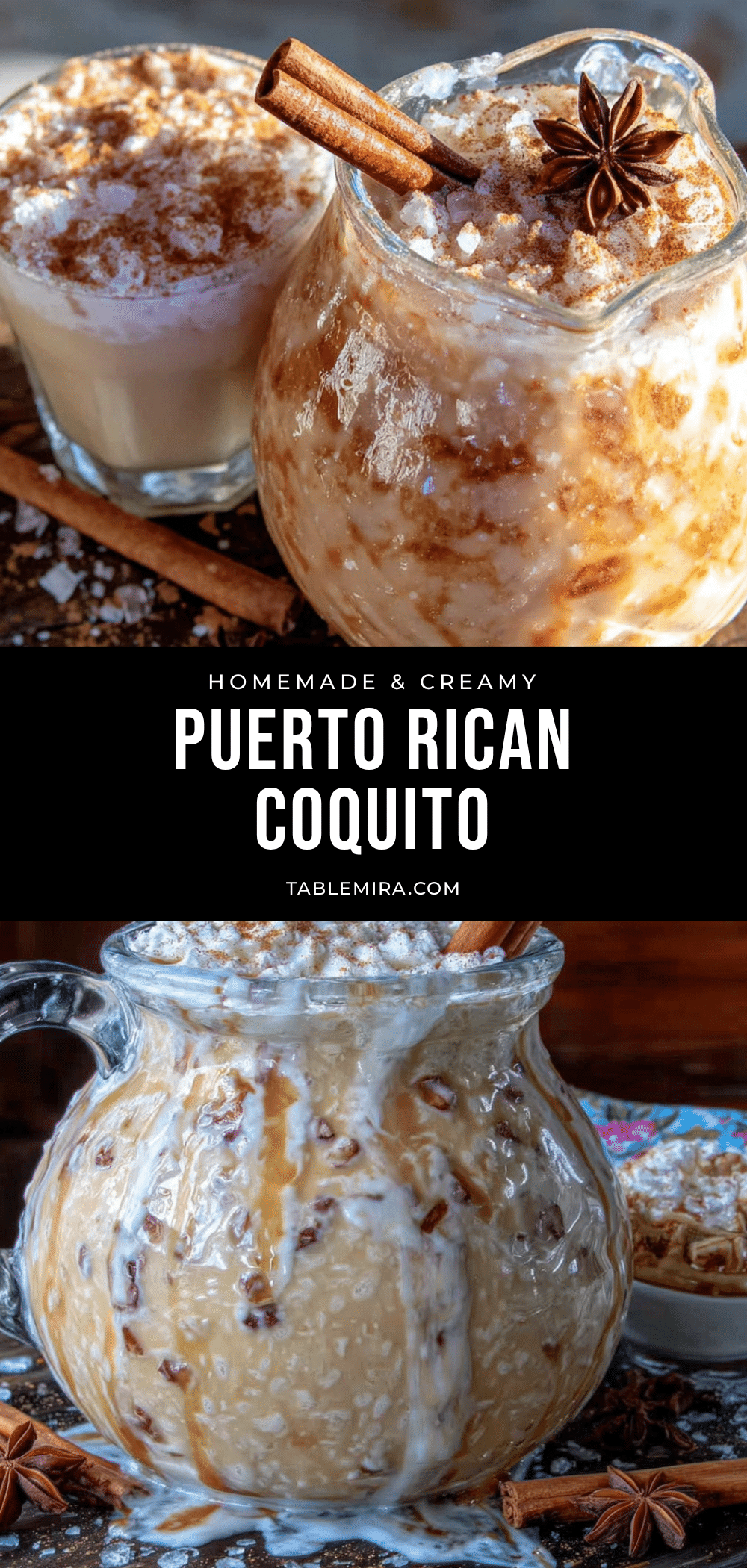
Easy Homemade Puerto Rican Coquito Recipe
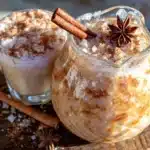
This creamy, rich Puerto Rican coquito is a coconut eggnog-like holiday drink that comes together in just 10 minutes of active work. With warm spices and a perfect balance of sweetness and rum, it’s a crowd-pleasing make-ahead treat that tastes like a hug in a cup.
- Prep Time: 10 minutes
- Cook Time: 0 minutes
- Total Time: 4 hours 10 minutes (includes chilling time)
- Yield: 10-12 servings 1x
- Category: Beverage
- Cuisine: Puerto Rican
Ingredients
- 15 ounces cream of coconut (e.g., Coco López or Goya)
- 13.5 ounces unsweetened full-fat coconut milk
- 12 ounces evaporated milk
- 14 ounces sweetened condensed milk
- 1 teaspoon vanilla extract
- 1 teaspoon ground cinnamon
- ½ teaspoon ground nutmeg
- ¼ teaspoon ground cloves
- 2 cinnamon sticks (for garnish and steeping, optional)
- 1 to 1½ cups white rum (e.g., Bacardi, Don Q; optional)
Instructions
- Open the can of cream of coconut and stir until smooth. Add cream of coconut, full-fat coconut milk, evaporated milk, and sweetened condensed milk to a blender. Blend on low speed for about 30 seconds until combined.
- Add vanilla extract, ground cinnamon, ground nutmeg, and ground cloves to the blender. Blend again on low speed for 15-20 seconds. Taste and adjust spices if desired.
- Pour in the white rum (if using) and blend one more time on low speed. For a non-alcoholic version, skip the rum and add an extra ½ cup of coconut milk or evaporated milk.
- Place a fine-mesh strainer over a large pitcher or carafe and pour the coquito through it to catch any lumps. If using, add the cinnamon sticks to the pitcher.
- Cover and refrigerate for at least 4 hours, preferably overnight, to allow flavors to meld and thicken.
- Before serving, stir or shake the pitcher well. Pour into small glasses (about 4 ounces each) and garnish with a sprinkle of cinnamon or a cinnamon stick. Serve cold.
Notes
All ingredients should be at room temperature before blending for best emulsification. Do not skip the chill time—flavors deepen and texture improves after 24 hours. If separation occurs, simply shake or stir before serving. For a vegan version, replace evaporated milk with full-fat coconut milk and use dairy-free sweetened condensed milk. For a non-alcoholic version, omit rum and add extra coconut milk or evaporated milk. Coquito can be stored in the refrigerator for up to 2 weeks or frozen for up to 3 months.
Nutrition
- Serving Size: 4 ounces
- Calories: 280
- Sugar: 24
- Fat: 14
- Carbohydrates: 28
- Protein: 3
Keywords: coquito, Puerto Rican coquito, coconut eggnog, holiday drink, Christmas drink, coconut rum drink, easy coquito recipe, homemade coquito