The woman at the farmers’ market stand didn’t look like someone who would change my breakfast routine. She was maybe seventy, with dirt under her fingernails and a calm way of moving that made me slow down just watching her. I was juggling a bag of apples, my coffee threatening to spill, and honestly looking for a quick escape from the chill that had settled into my bones that October morning. She watched me struggle for a moment, then reached under her table and pulled out a small, misshapen butternut squash. “You look like you need something that sticks,” she said, not as a sales pitch but as a simple observation. I laughed, admitted I had no idea what to do with a squash at breakfast, and she just shrugged. “Put it in your smoothie bowl. Makes it taste like November feels.”
I walked away thinking she was a little eccentric, but that night I couldn’t shake the idea. So I tried it. Roasted the squash, blended it with peanut butter and a scoop of protein powder, and honestly? It was like finding a secret door in a room I thought I knew. The sweetness of the squash melted into the peanut butter so naturally that I wondered why nobody talks about this combination more. I’ve been making some version of this cozy peanut butter protein smoothie bowl ever since, and every time I take that first spoonful, I think about her hands, the cold air, and how the best recipes don’t come from cookbooks at all.
Maybe you’ve been there—staring into your fridge on a crisp fall morning, wanting something warm and comforting but also needing to get out the door. A regular smoothie feels too cold, too thin for the season. That’s where this bowl comes in. It’s thick, creamy, and somehow manages to feel like a warm hug even though it’s served cold. The secret is in the roasted squash (or pumpkin, when I’m feeling seasonal) and the way the peanut butter coats everything in that familiar, nostalgic richness. It’s not just breakfast. It’s the reason I actually look forward to getting out of bed when the mornings get dark.
Why You’ll Love This Recipe
I’ve tested this cozy peanut butter protein smoothie bowl more times than I care to admit. Some batches were too thin, some were too icy, and a few were just plain weird. But the version I’m sharing with you today? It’s the one that finally made me stop tweaking and start just enjoying. Here is why I think you will feel the same way:
- Ready in 10 Minutes: This is not a weekend-only project. You can have this on the table faster than you can toast a bagel, which is exactly what I need on a Tuesday morning when my alarm went off late.
- Pantry-Friendly: Besides the frozen banana and maybe some pumpkin puree, everything else is probably already in your kitchen. No fancy superfood powders or trips to a specialty store.
- Perfect for Fall Mornings: This bowl was made for those days when you want something cozy but don’t want to turn on the oven. It bridges the gap between summer smoothies and winter oatmeal.
- Actually Filling: I have a bad habit of being hungry an hour after breakfast. Not with this one. The protein powder, peanut butter, and fiber from the squash keep me full until lunch without that heavy, stuffed feeling.
- Kids Love It Too: My nephew calls it “peanut butter ice cream for breakfast,” and honestly, I don’t correct him. The texture is so creamy and thick that it genuinely feels like a treat.
What makes this recipe different from the dozens of smoothie bowls floating around the internet? It’s the roasted element. That little bit of squash or pumpkin adds a depth of flavor you just cannot get from frozen fruit alone. It’s not sweet in a sugary way—it’s sweet in a way that makes you think of hayrides and wool socks. I’ve tried skipping this step, and the bowl was fine, but it wasn’t cozy. This version, with its velvety texture and that unmistakable fall flavor, is the one I keep coming back to. It is comfort food that happens to be good for you, and honestly, that is the best kind of recipe to have in your back pocket.
What Ingredients You Will Need
This recipe uses simple, wholesome ingredients that come together to create something that tastes much more complex than it is. I have tested this with several variations, and the combination below is my absolute favorite for texture and flavor.
- Frozen Banana, 1 large (about 120g): This is the backbone of your smoothie bowl. It provides natural sweetness and that thick, creamy texture that makes a smoothie bowl different from a drinkable smoothie. I always peel and slice my bananas before freezing them—trust me, trying to chop a frozen banana is a kitchen accident waiting to happen.
- Pumpkin Puree, 1/4 cup (60g): This is where the fall magic happens. I prefer canned pumpkin puree for consistency, but you can absolutely use roasted and mashed butternut squash or sweet potato. Just make sure it’s pure pumpkin, not pumpkin pie filling—that stuff has added sugar and spices that will throw off the balance. Libby’s is my go-to brand, but any 100% pure pumpkin works.
- Creamy Peanut Butter, 2 tablespoons (32g): The star of the show. I use natural peanut butter with no added sugar or oil, just peanuts and salt. Skippy Natural or Teddie’s are my favorites. If your peanut butter is the kind that separates, stir it well before measuring. The oil separation can make your bowl greasy instead of creamy.
- Vanilla Protein Powder, 1 scoop (about 30g): This adds protein without changing the flavor profile too much. I use a pea protein blend because it mixes smoothly and doesn’t have that chalky aftertaste. Whey protein works great too, just make sure it’s vanilla flavored. If you are using an unflavored protein powder, you might want to add an extra splash of vanilla extract.
- Unsweetened Almond Milk, 1/2 cup (120ml): You need just enough liquid to get the blender moving. Too much and your bowl will be soupy. I use almond milk because it is neutral, but oat milk makes it even creamier, and regular dairy milk works perfectly too. Start with less and add more if needed—you can always thin it out, but you cannot thicken it back up.
- Ground Cinnamon, 1/2 teaspoon: This is non-negotiable for me. Cinnamon and peanut butter are a match made in breakfast heaven. It adds warmth without being overpowering. If you are feeling extra fancy, a pinch of nutmeg or ginger works beautifully too.
- Pinch of Salt: A tiny pinch of flaky salt (or regular table salt) makes the peanut butter flavor pop. Do not skip this—it is the difference between a good smoothie bowl and a great one.
- Ice Cubes, 3-4 (optional): If you want an extra thick and frosty texture, toss in a few ice cubes. I only do this when my banana is not frozen solid enough, which happens when I forget to freeze it overnight.
For the Toppings (optional but highly recommended):
- Granola, 2 tablespoons: Adds crunch. I use a simple oat and honey granola, but any kind works.
- Sliced Banana: Because more banana is always a good idea.
- Drizzle of Peanut Butter: For presentation and an extra hit of flavor.
- Pepitas or Chopped Nuts: Adds texture and a little healthy fat.
- A sprinkle of Cinnamon or Cocoa Nibs: For a finishing touch.
Equipment Needed
You do not need a professional kitchen to make this cozy peanut butter protein smoothie bowl. Here is what you will need:
- High-Speed Blender: This is the most important tool. A Vitamix or Blendtec is ideal because they can handle frozen bananas and thick mixtures without burning out the motor. But honestly, a good Ninja or even a NutriBullet works fine—you just might need to stop and scrape down the sides a few times. I have a Vitamix that my sister gave me when she upgraded, and it handles this bowl like a dream, but I made this recipe for years with a $40 blender.
- Rubber Spatula: Essential for scraping down the sides of the blender. Trust me, you will need it.
- Measuring Cups and Spoons: For accuracy. Eyeballing works for some recipes, but for smoothie bowls, the liquid-to-solid ratio is critical.
- Sharp Knife and Cutting Board: For slicing your banana and any toppings.
- Serving Bowl: A wide, shallow bowl works best for smoothie bowls. It gives you room to arrange your toppings beautifully.
- Freezer-Safe Bag or Container: For freezing your bananas in advance. I keep a bag of sliced bananas in my freezer at all times.
If you don’t have a high-speed blender, here is a trick: let your frozen banana sit on the counter for 5 minutes to soften slightly before blending. It makes a huge difference for weaker motors. Also, make sure your pumpkin puree is at room temperature, not straight from the fridge.
Preparation Method
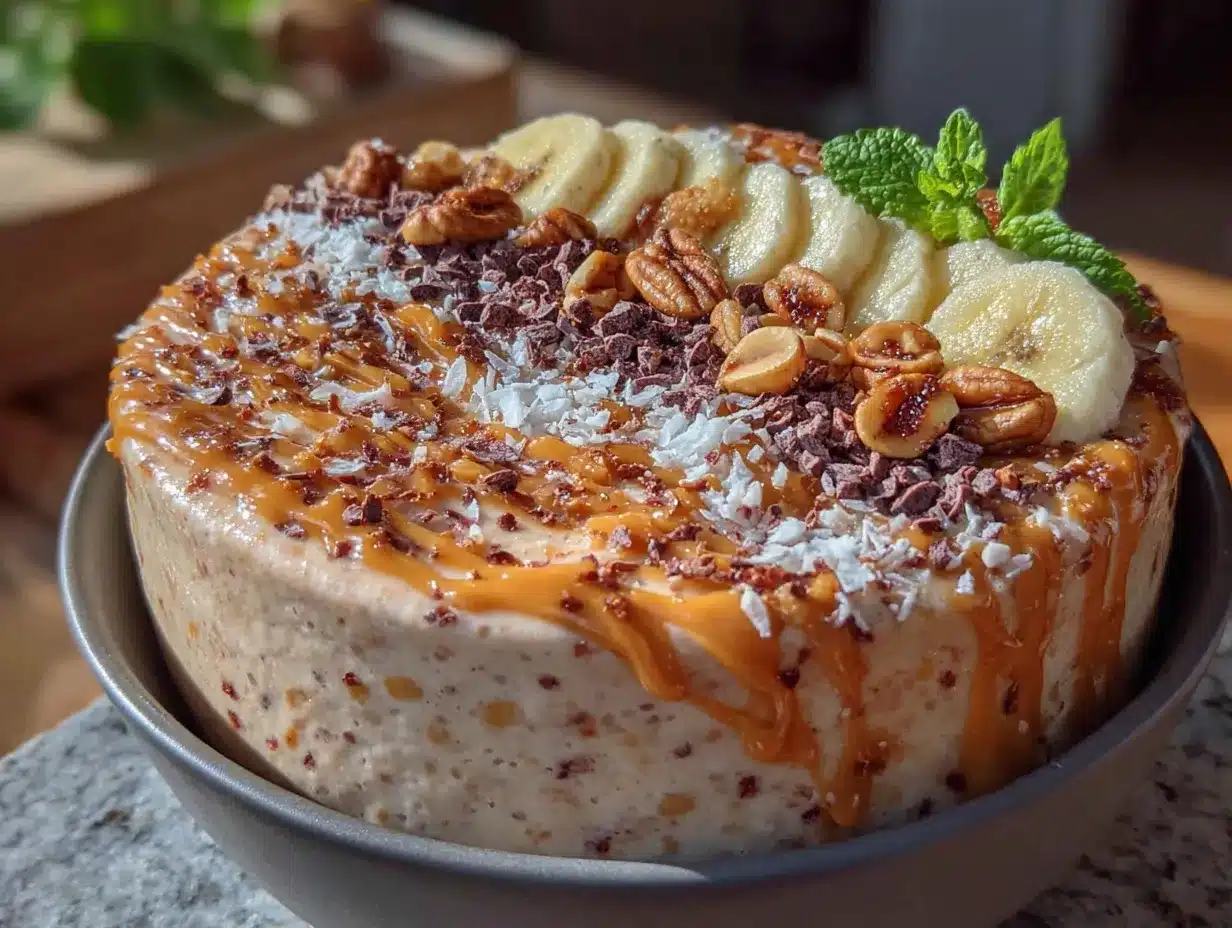
Making this smoothie bowl is straightforward, but there are a few tricks I have learned the hard way. Follow these steps, and you will get that perfect thick, creamy texture every time.
- Prep Your Ingredients: Take your frozen banana out of the freezer and let it sit for 2-3 minutes. It should be rock hard but just slightly softened on the surface. Measure out your pumpkin puree, peanut butter, protein powder, and almond milk. Having everything ready before you start blending makes the process so much smoother.
- Layer Your Blender Correctly: This is a small detail that makes a big difference. Start with the almond milk at the bottom of the blender pitcher. Then add the pumpkin puree, peanut butter, and protein powder. Finally, add the frozen banana chunks on top. Why this order? The liquid helps the blades move freely, and the frozen banana sits on top, pushing everything down as it blends. If you put the frozen banana at the bottom, it can get stuck and create air pockets.
- Add the Seasonings: Sprinkle the cinnamon and salt over the top. Do not forget the salt—I have done that more times than I want to admit, and the bowl always tastes flat without it.
- Blend on Low, Then High: Start your blender on low speed for about 10 seconds to break up the larger pieces. Then gradually increase to high speed. Use the tamper (if your blender has one) to push the mixture down toward the blades. If you don’t have a tamper, stop the blender, scrape down the sides with your spatula, and blend again. This might take 2-3 rounds.
- Check the Consistency: The mixture should be thick and creamy, almost like soft-serve ice cream. It should hold its shape when you stop the blender. If it is too thick and the blender is struggling, add almond milk one tablespoon at a time. If it is too thin, add a few ice cubes or another small piece of frozen banana.
- Scrape and Serve: Use your rubber spatula to scrape every last bit of the smoothie bowl into your serving bowl. Do not waste a drop—this stuff is gold. Use the spatula to create a smooth, even surface or some swoops and swirls if you are feeling artistic.
- Add Toppings: This is where you can get creative. I like to arrange my toppings in sections so each spoonful gets a little bit of everything. Start with a drizzle of peanut butter, then add your granola, sliced banana, and a sprinkle of pepitas. Finish with a dusting of cinnamon or a few cocoa nibs if you are feeling fancy.
- Serve Immediately: Smoothie bowls wait for no one. The longer it sits, the more it melts. Grab a spoon and dig in while it is still cold and thick.
Cooking Tips & Techniques
I have made this cozy peanut butter protein smoothie bowl at least fifty times, and I have made every mistake you can imagine. Here is what I have learned so you don’t have to repeat my failures:
- The Frozen Banana is King: The ripeness of your banana matters. Use bananas that are spotty and very ripe before freezing. Green bananas are starchy and not sweet enough. I let mine sit on the counter until they are practically begging to be used, then I peel, slice, and freeze them. The sweetness from a ripe banana is what makes this bowl taste like dessert without any added sugar.
- Don’t Over-Liquify: This is the number one mistake I see people make. They pour in too much milk because they are impatient, and then they end up with a thin, sad smoothie that runs all over their bowl. Start with less liquid than you think you need. You can always add more, but you cannot take it out. I have a friend who swears by using a tablespoon to add liquid, one at a time, until the blender runs smoothly.
- Roast Your Own Squash: If you have the time, roasting a small sugar pumpkin or butternut squash and using the puree makes a noticeable difference. The caramelization adds a depth of flavor that canned pumpkin just cannot replicate. I do this on a Sunday afternoon and keep the puree in the fridge for the week. It is not necessary, but if you want the absolute best version of this bowl, this is the way.
- Use a Damp Paper Towel Under Your Bowl: This is a random tip, but it works. If your bowl is sliding around while you arrange your toppings, place a damp paper towel under it. It keeps everything stable and prevents accidents.
- Prep Your Toppings While the Blender Runs: To save time, slice your banana and measure out your granola while the blender is doing its thing. This way, everything is ready to go the moment your smoothie bowl is done.
Variations & Adaptations
One of the best things about this recipe is how flexible it is. I have tried several variations over the years, and here are my favorites:
- Chocolate Peanut Butter Dream: Add 1 tablespoon of unsweetened cocoa powder to the blender along with the other ingredients. It turns this into a chocolate-peanut butter bowl that tastes like a healthier version of a Reese’s cup. I add a few dark chocolate chips on top for good measure.
- Vegan and Dairy-Free: This recipe is already vegan if you use a plant-based protein powder and almond milk. Just double-check your protein powder label—some whey blends are not vegan. I use a pea protein blend, and it works beautifully.
- Low-Carb/Keto-Friendly: Swap the banana for 1/2 an avocado and use unsweetened coconut milk instead of almond milk. Add a few drops of stevia or monk fruit sweetener to make up for the lost sweetness. The avocado makes it incredibly creamy, and you honestly cannot taste it.
- Extra Protein Boost: If you are heading to the gym after breakfast, add an extra half-scoop of protein powder and a tablespoon of chia seeds. The chia seeds add fiber and omega-3s, and they blend in without changing the texture too much.
- Spiced Pumpkin Variation: Add 1/4 teaspoon of pumpkin pie spice along with the cinnamon. This gives it that classic pumpkin spice flavor that everyone craves in the fall. I do this when I am feeling extra festive, usually on the first truly cold morning of the season.
Serving & Storage Suggestions
This smoothie bowl is best enjoyed immediately, but I have a few tips for making the most of it:
Serving: Serve it in a chilled bowl if you have one—it keeps the smoothie cold longer. I like to use a wide, shallow bowl because it gives me more surface area for toppings. Arrange your toppings in a pattern or just pile them on in the middle. There is no wrong way to do it. A drizzle of warm peanut butter (microwaved for 10 seconds) on top looks beautiful and adds a nice temperature contrast.
Storage: If you have leftovers (which rarely happens in my house), you can pour the mixture into a freezer-safe container and freeze it for up to 2 weeks. Let it thaw on the counter for 10-15 minutes before eating, then stir it well. The texture won’t be exactly the same—it will be more like a frozen treat than a smoothie bowl—but it is still delicious.
Make-Ahead Tip: You can prep the dry ingredients the night before. Measure your protein powder, cinnamon, and salt into a small bag or container. In the morning, just dump it into the blender with your wet ingredients and frozen banana. It saves a minute or two, which matters when you are rushing.
Nutritional Information & Benefits
Here is an estimated breakdown for one serving of this cozy peanut butter protein smoothie bowl (without toppings):
- Calories: Approximately 380-420
- Protein: 22-25g
- Carbohydrates: 45-50g
- Fiber: 8-10g
- Fat: 16-18g
- Sugar: 18-22g (natural sugars from banana and pumpkin)
This bowl is packed with nutrition. The pumpkin puree is loaded with vitamin A and antioxidants, which support your immune system during cold and flu season. The peanut butter provides healthy monounsaturated fats and a good amount of protein. Bananas are rich in potassium, which helps with muscle recovery and blood pressure regulation. And the protein powder, of course, helps keep you full and supports muscle maintenance.
If you are watching your sugar intake, use a less ripe banana (greener) or swap half the banana for an avocado. The natural sugars in this recipe come entirely from whole foods, so it is a much better choice than a sugary cereal or pastry.
Conclusion
This cozy peanut butter protein smoothie bowl has become my fall morning ritual for a reason. It is quick, satisfying, and it makes me feel like I am taking care of myself even on the busiest days. The combination of creamy peanut butter, warm cinnamon, and that subtle pumpkin sweetness is just right for the season—not too heavy, not too light, but perfectly balanced.
I hope you give this recipe a try and make it your own. Maybe you will add a spoonful of cocoa powder, or swap the pumpkin for roasted sweet potato, or pile on so many toppings that you need a fork instead of a spoon. That is the beauty of a smoothie bowl—it is a template for whatever you are craving.
If you make this, I would love to hear about it. Leave a comment below and tell me how it turned out, or share your own twist on the recipe. Did you add something unexpected? Did your kids gobble it up? I read every comment, and honestly, they make my day. Here is to cozy mornings and good food. Happy blending!
Frequently Asked Questions
Can I use peanut butter powder instead of regular peanut butter?
Yes, you can. Use about 2 tablespoons of peanut butter powder and add an extra tablespoon of almond milk to compensate for the lost moisture. The flavor will be slightly less rich, but it works well if you are watching your fat intake.
My smoothie bowl turned out too thin. How do I fix it?
Add more frozen banana or a handful of ice cubes and blend again. If you don’t have either, try adding a tablespoon of chia seeds or oats—they will absorb some of the liquid and thicken the bowl as they sit for a minute or two.
Can I make this without a high-speed blender?
Absolutely. Let your frozen banana sit at room temperature for 5-7 minutes to soften slightly. Use a tamper or a long spoon to push the mixture down, and be patient. It might take a few extra rounds of blending and scraping, but it will work.
Is this recipe gluten-free?
Yes, as long as you use certified gluten-free oats in your granola and check your protein powder label. Most protein powders are gluten-free, but some contain added ingredients that might not be. Always double-check.
Can I use a different nut butter?
Of course. Almond butter, cashew butter, or even sunflower seed butter (for a nut-free option) all work beautifully. Just keep in mind that different nut butters have different consistencies. Cashew butter is thinner and creamier, while almond butter is thicker and grainier. Adjust your liquid accordingly.
Pin This Recipe!
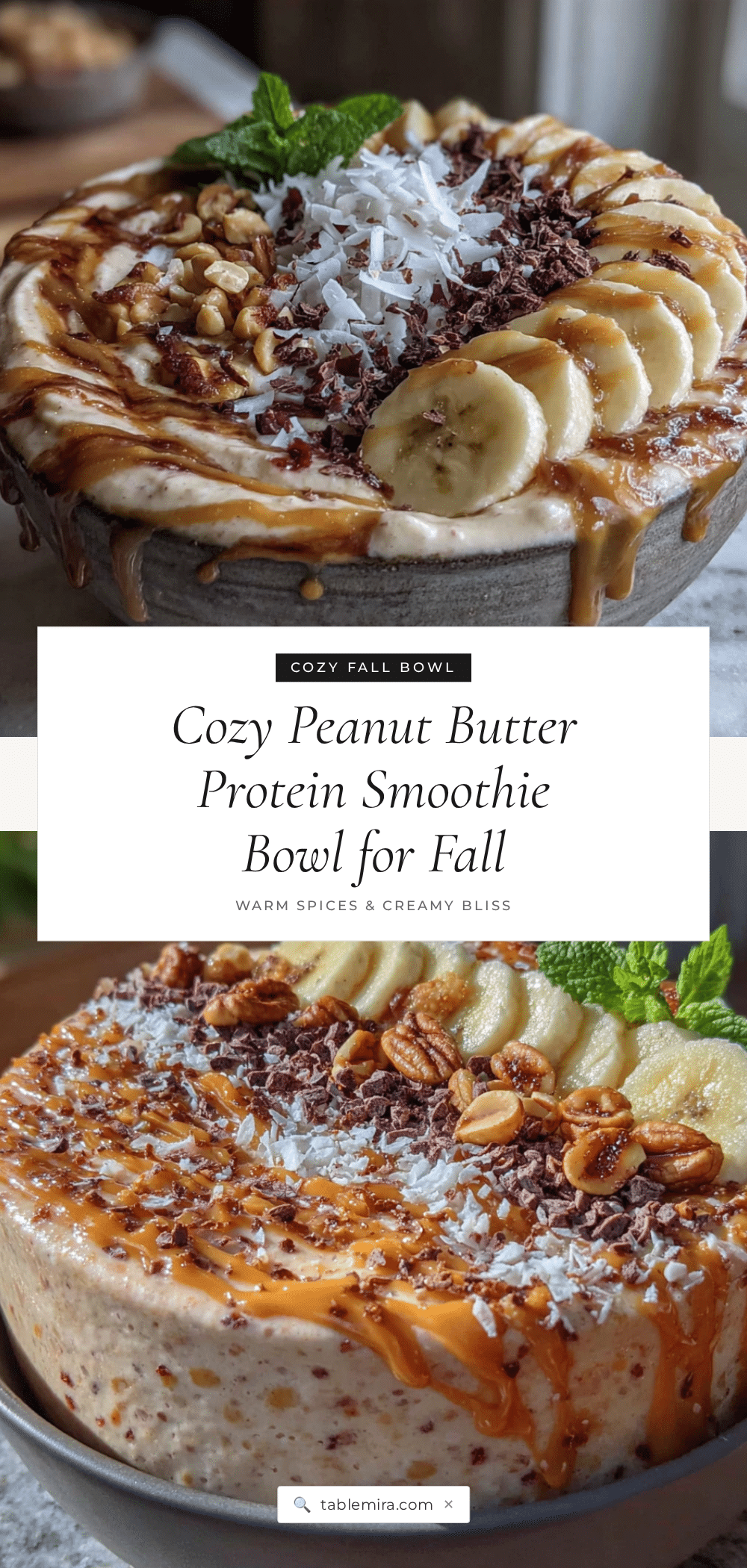
Cozy Peanut Butter Smoothie Bowl | Easy Fall Breakfast
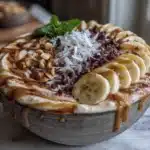
A thick, creamy smoothie bowl that combines roasted pumpkin or butternut squash with peanut butter and protein powder for a cozy, filling fall breakfast. Ready in 10 minutes and packed with flavor.
- Prep Time: 10 minutes
- Cook Time: 0 minutes
- Total Time: 10 minutes
- Yield: 1 serving 1x
- Category: Breakfast
- Cuisine: American
Ingredients
- 1 large frozen banana (about 120g)
- 1/4 cup pumpkin puree (60g)
- 2 tablespoons creamy peanut butter (32g)
- 1 scoop vanilla protein powder (about 30g)
- 1/2 cup unsweetened almond milk (120ml)
- 1/2 teaspoon ground cinnamon
- Pinch of salt
- 3–4 ice cubes (optional)
- For the toppings (optional): 2 tablespoons granola, sliced banana, drizzle of peanut butter, pepitas or chopped nuts, sprinkle of cinnamon or cocoa nibs
Instructions
- Prep your ingredients: Take the frozen banana out of the freezer and let it sit for 2-3 minutes. Measure out the pumpkin puree, peanut butter, protein powder, and almond milk.
- Layer your blender correctly: Start with the almond milk at the bottom of the blender pitcher. Add the pumpkin puree, peanut butter, and protein powder. Finally, add the frozen banana chunks on top.
- Add the seasonings: Sprinkle the cinnamon and salt over the top.
- Blend on low, then high: Start the blender on low speed for about 10 seconds, then gradually increase to high speed. Use the tamper (if available) to push the mixture down toward the blades. If no tamper, stop and scrape down the sides with a spatula, then blend again. Repeat 2-3 times as needed.
- Check the consistency: The mixture should be thick and creamy, like soft-serve ice cream. If too thick, add almond milk one tablespoon at a time. If too thin, add a few ice cubes or another small piece of frozen banana.
- Scrape and serve: Use a rubber spatula to transfer the smoothie bowl into a serving bowl. Smooth the surface or create swirls.
- Add toppings: Arrange toppings in sections. Start with a drizzle of peanut butter, then add granola, sliced banana, and a sprinkle of pepitas. Finish with a dusting of cinnamon or cocoa nibs.
- Serve immediately: Enjoy while still cold and thick.
Notes
For best results, use very ripe bananas (spotty) before freezing. Let frozen banana sit at room temperature for 2-3 minutes before blending. If using a weaker blender, let banana soften for 5-7 minutes. Start with less liquid and add more as needed. Roasting your own squash adds depth of flavor. To save time, prep dry ingredients the night before.
Nutrition
- Serving Size: 1 bowl
- Calories: 380420
- Sugar: 1822
- Sodium: 200300
- Fat: 1618
- Saturated Fat: 23
- Carbohydrates: 4550
- Fiber: 810
- Protein: 2225
Keywords: peanut butter smoothie bowl, fall breakfast, pumpkin smoothie bowl, protein smoothie bowl, cozy breakfast, healthy smoothie bowl