This was supposed to be a simple, straight-up, classic mac and cheese. The kind I’d made a hundred times before, the kind my kids would demolish without a second thought. I had the shredded cheddar ready, the butter melting in the pan, and a bag of elbows standing by. But then, I saw the butternut squash. It was sitting on the counter, a leftover from a soup attempt that never happened. It was staring at me, honestly, and in a moment of pure, sleep-deprived desperation (my toddler had been up since 4 AM), I grabbed it. I figured, what’s the worst that could happen? I’d ruin a batch of mac and cheese, and we’d have peanut butter sandwiches for dinner. I roasted the squash, pureed it until it was silky smooth, and stirred it into the cheese sauce. It looked… weird. A little too orange, a little too… healthy. I braced myself for the complaints.
But then, my oldest took a bite. Then another. Then she asked for seconds. My husband, who can spot a hidden vegetable from a mile away, just shrugged and kept eating. I sat there, fork halfway to my mouth, completely baffled. What came out of that pot was nothing like the plan — and it was so much better. It was creamier, richer, and had this subtle sweetness that made the cheddar pop. The kids didn’t notice a thing. They just knew it was the best mac and cheese I’d ever made. I mean, I’ve been making this version ever since, and it’s become our go-to for busy weeknights when I need to get a vegetable into them without a fight. Maybe you’ve been there, staring into the fridge, wondering how to make something that everyone will actually eat without spending a fortune. Let me tell you, this is it.
Why You’ll Love This Recipe
This isn’t just another mac and cheese recipe you’ll find online. It’s the one that saves your budget and your sanity, all while tasting like a bowl of pure comfort. I’ve tested this dozens of times to make sure it’s foolproof for even the busiest home cooks.
- Quick & Easy: Comes together in under 45 minutes, most of which is hands-off roasting time. Perfect for those chaotic weeknights.
- Simple Ingredients: You probably have the pasta, cheese, and milk in your kitchen right now. The butternut squash is the only “special” ingredient, and it’s cheaper than a fancy block of aged cheddar.
- Perfect for Picky Eaters: The squash blends right in, adding creaminess and a touch of sweetness that kids love. They won’t even know it’s there.
- Crowd-Pleaser: I’ve brought this to potlucks and family dinners, and it always gets rave reviews from kids and adults alike. No one has ever guessed the secret ingredient.
- Unbelievably Delicious: The texture is velvety smooth, and the flavor is a perfect balance of sharp cheddar and subtle squash sweetness. It’s comfort food reimagined.
What makes this recipe different is the technique. Instead of a heavy cream sauce, we use a silky butternut squash puree to create a lighter, yet incredibly creamy, base. This isn’t just another version of mac and cheese—it’s your best version for a family on a budget. It’s the kind of meal that makes you feel good about what you’re serving, without the stress or the cost.
What Ingredients You Will Need
This recipe relies on simple, wholesome ingredients that are easy on the wallet and deliver big on flavor. You might be surprised at how a humble squash can transform a classic dish.
- For the Butternut Squash Puree:
- 1 medium butternut squash (about 2-3 pounds), peeled, seeded, and cubed. (Buying it pre-cut can save time, but whole squash is much cheaper. I prefer the flavor of roasted squash, but you can also steam it.)
- 1 tablespoon olive oil (for roasting, adds a touch of richness).
- Pinch of salt and black pepper (to season the squash).
- For the Pasta:
- 1 pound (16 ounces) elbow macaroni or any small pasta shape like shells or cavatappi. (I use generic store-brand pasta to keep costs down, and it works perfectly.)
- For the Cheese Sauce:
- 2 tablespoons unsalted butter (for the roux, adds a rich flavor).
- 2 tablespoons all-purpose flour (to thicken the sauce).
- 2 cups whole milk (for the creamiest sauce. 2% works fine, but avoid skim milk for the best texture).
- 1 cup butternut squash puree (the star of the show!).
- 2 cups (8 ounces) sharp cheddar cheese, shredded. (I recommend shredding it yourself from a block—it melts so much smoother than pre-shredded bags, which have anti-caking agents.)
- 1/2 cup (2 ounces) Parmesan cheese, grated. (Adds a salty, nutty depth of flavor. I use the inexpensive green can kind in a pinch, but fresh is better.)
- 1 teaspoon Dijon mustard (don’t skip this—it brightens the whole dish and cuts through the richness).
- 1/2 teaspoon garlic powder (for a subtle savory note).
- 1/4 teaspoon ground nutmeg (optional, but it’s a classic pairing with squash and cheese).
- Salt and black pepper, to taste.
For the best results, use freshly shredded cheddar. I’ve learned this the hard way after making a grainy sauce with pre-shredded cheese. Also, if your squash puree is very watery, you may need to let the sauce simmer a bit longer to thicken.
Equipment Needed
You don’t need a fancy kitchen to pull this off. Here’s what you’ll need:
- Baking sheet (for roasting the squash). A rimmed one is best to catch any juices.
- Large pot (for boiling pasta and making the sauce). A 5- or 6-quart pot is ideal.
- Colander (for draining the pasta).
- Food processor or blender (to puree the squash). An immersion blender works too, but a regular blender makes it silkiest.
- Wooden spoon or whisk (for stirring the sauce).
- Cheese grater (for shredding the cheese).
- Measuring cups and spoons.
If you don’t have a food processor, you can mash the roasted squash with a potato masher or fork. It won’t be as smooth, but it’ll still work. I’ve done it that way when my blender was in the dishwasher, and it was fine.
Preparation Method
- Roast the Butternut Squash: Preheat your oven to 400°F (200°C). Place the cubed butternut squash on a baking sheet. Drizzle with 1 tablespoon of olive oil and a pinch of salt and pepper. Toss to coat. Roast for 25-30 minutes, or until the squash is fork-tender and the edges are lightly browned. This brings out the natural sweetness.
- Make the Puree: Transfer the roasted squash to a food processor or blender. Blend until completely smooth. You may need to add a tablespoon or two of water to get it going. Set aside 1 cup of the puree. You can freeze any leftover puree for another use.
- Cook the Pasta: While the squash is roasting, bring a large pot of salted water to a boil. Add the elbow macaroni and cook according to package directions until al dente. Be careful not to overcook it, as it will continue to cook in the sauce. Drain the pasta and set it aside.
- Make the Roux: In the same large pot (now empty), melt the 2 tablespoons of butter over medium heat. Once melted, whisk in the 2 tablespoons of flour. Cook for 1-2 minutes, stirring constantly, until the mixture is bubbly and golden. This cooks out the raw flour taste.
- Build the Sauce: Slowly pour in the 2 cups of milk while whisking constantly to prevent lumps. Continue whisking until the mixture thickens slightly, about 3-4 minutes. It should be thick enough to coat the back of a spoon.
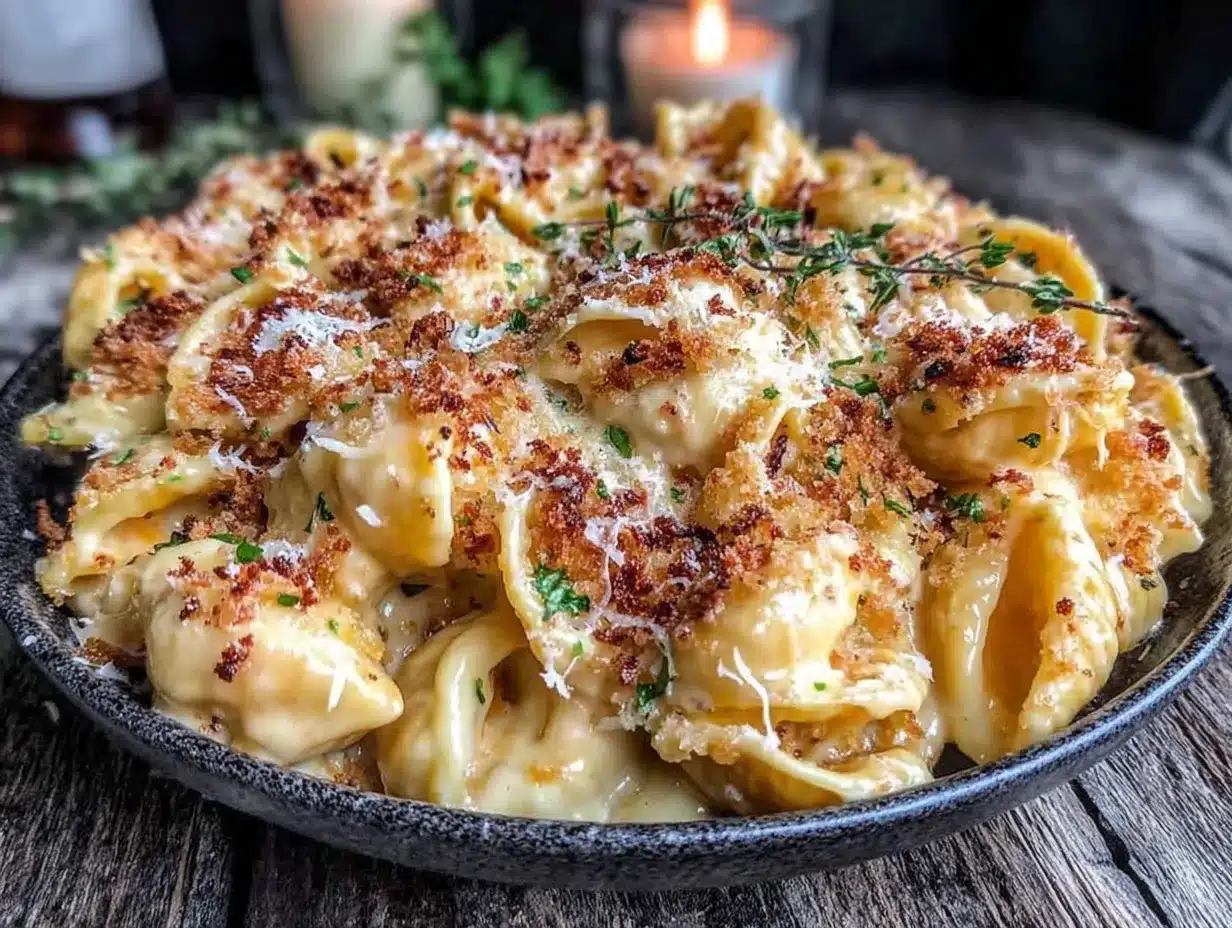
- Add the Squash and Cheese: Reduce the heat to low. Stir in the 1 cup of butternut squash puree until fully combined. Then, gradually add the shredded cheddar and grated Parmesan cheese, stirring until completely melted and smooth. The sauce will be a beautiful, vibrant orange.
- Season the Sauce: Stir in the Dijon mustard, garlic powder, and nutmeg (if using). Season generously with salt and black pepper to taste. Remember, the pasta will absorb some of the salt, so don’t be shy.
- Combine and Serve: Add the cooked, drained pasta to the pot with the cheese sauce. Stir gently until all the pasta is evenly coated. Serve immediately, while it’s hot and gooey. If you want a crispy top, you can pour it into a baking dish, top with buttered breadcrumbs, and bake at 375°F (190°C) for 15 minutes.
One tip I learned the hard way: always taste your sauce before adding the pasta. If it’s bland, add more salt or a pinch more mustard. It’s much harder to fix after the pasta is in there.
Cooking Tips & Techniques
Getting this dish right is all about a few small tricks I’ve picked up over the years. First, don’t rush the roux. Letting the flour and butter cook for a full minute ensures your sauce won’t taste like raw paste. I’ve definitely ruined a batch by getting impatient.
Another common mistake is adding all the cheese at once. Add it in handfuls, stirring until each addition is melted before adding the next. This prevents the sauce from becoming grainy or breaking. Also, keep the heat on low when adding the cheese—high heat can cause it to seize up and turn clumpy.
For the smoothest puree, make sure your squash is really tender before blending. If you’re in a rush, you can steam the cubed squash in the microwave for about 8-10 minutes instead of roasting. The flavor won’t be as caramelized, but it will still work in a pinch. I’ve done this on nights when the oven was already occupied with dinner rolls.
Finally, don’t be afraid of the mustard. It might sound weird in mac and cheese, but it’s the secret to that sharp, tangy flavor that makes the dish sing. It doesn’t make it taste like mustard—it just makes the cheese taste cheesier. Trust me on this one.
Variations & Adaptations
This recipe is incredibly flexible, which is perfect for a busy family kitchen. Here are a few ways I’ve changed it up:
- Dietary Adaptations: For a gluten-free version, use gluten-free pasta and a gluten-free all-purpose flour blend for the roux. The sauce will still be creamy and delicious. For a dairy-free option, use plant-based butter, unsweetened oat or almond milk, and your favorite dairy-free cheddar shreds. The texture will be slightly different, but it’s still a winner.
- Seasonal Swaps: In the fall, I sometimes use roasted sweet potato or pumpkin puree instead of butternut squash. They all work beautifully and give the dish a slightly different flavor profile. In the summer, I’ve even used a puree of cooked carrots and cauliflower—my kids never noticed the difference.
- Flavor Boosts: For a little heat, add a pinch of cayenne pepper or smoked paprika to the sauce. For a more grown-up version, stir in some caramelized onions or a handful of sautéed mushrooms. I once added a tablespoon of truffle oil for a fancy date night at home, and it was incredible.
- Protein Add-Ins: To make it a complete meal, stir in some cooked, shredded rotisserie chicken or crispy bacon bits. My kids love it when I add little pieces of ham.
My personal favorite variation is to swap out the cheddar for a mix of Gruyère and Gouda. It’s pricier, but for a special occasion, it’s absolutely worth it. The nuttiness of the Gruyère is perfect with the squash.
Serving & Storage Suggestions
Serve this mac and cheese hot, straight from the pot or baking dish. I like to garnish it with a little extra shredded cheese and a sprinkle of fresh parsley or chives for color. It’s a meal in itself, but it pairs beautifully with a simple side salad dressed with a tangy vinaigrette to cut through the richness. Some steamed green beans or roasted broccoli also work wonderfully.
For leftovers, let the mac and cheese cool completely before transferring it to an airtight container. It will keep in the refrigerator for up to 4 days. The flavors actually meld and get even better overnight. To reheat, I prefer to add a splash of milk and warm it in a saucepan over low heat, stirring frequently. You can also microwave it in 30-second intervals, stirring in between. If you baked it with a breadcrumb topping, the crispiness will be lost, but the creamy pasta underneath is still fantastic.
This dish freezes beautifully, which is a lifesaver for busy weeks. Portion it into freezer-safe containers, and it will keep for up to 3 months. Thaw it overnight in the fridge before reheating. I often make a double batch and freeze one for a night when I know I won’t have time to cook.
Nutritional Information & Benefits
While this is still a comfort food dish, it has some surprising health benefits thanks to the butternut squash. Here’s a rough estimate per serving (based on 8 servings):
- Calories: ~450
- Fat: 18g
- Carbohydrates: 55g
- Protein: 18g
- Fiber: 5g
- Vitamin A: 200% of the Daily Value (from the squash!)
Butternut squash is packed with Vitamin A, which is great for eye health and immunity. It also adds fiber, which helps keep everyone full and satisfied. By using a veggie-based sauce, you’re cutting down on the amount of heavy cream and butter typically found in mac and cheese. It’s a small, smart swap that makes a big difference. This recipe is naturally vegetarian and can easily be made gluten-free or dairy-free, as mentioned above. Please note that it contains dairy and gluten in its standard form.
Conclusion
This Kid-Approved Butternut Squash Mac and Cheese is more than just a recipe—it’s a little victory for the family cook. It proves that you don’t need expensive ingredients or hours in the kitchen to put a smile on everyone’s face. It’s creamy, cheesy, and secretly packed with a vegetable that makes you feel good about serving it.
I honestly love this recipe because it took a mistake and turned it into a staple. It’s a reminder that sometimes the best things in the kitchen happen when you stop following the rules and just go with your gut. I encourage you to try it as written, and then make it your own. Add your family’s favorite mix-ins, swap the cheese, or double the batch. The possibilities are endless.
If you make this recipe, I’d love to hear about it! Leave a comment below and let me know how your family liked it. Did you try any fun variations? Share your photos and tag me on social media. Happy cooking, friends!
Frequently Asked Questions
Can I use frozen butternut squash instead of fresh?
Absolutely! Frozen cubed butternut squash is a great time-saver. Just thaw it, pat it dry, and roast it as directed, or steam it in the microwave. It will be slightly softer, but the puree will be just as good.
My sauce turned out grainy. What went wrong?
This usually happens when the cheese is added too quickly or over high heat. Make sure your heat is on low when adding the cheese, and add it in small handfuls, stirring until each addition is fully melted. Also, using pre-shredded cheese can cause graininess due to the anti-caking agents.
Can I make this ahead of time?
Yes! You can prepare the entire dish, without baking it, up to 2 days in advance. Store it covered in the fridge. When you’re ready to serve, bake it at 375°F (190°C) for about 20-25 minutes, or until bubbly and heated through.
My kids are super picky. Will they taste the squash?
In my experience, no. The squash is completely pureed and blends into the cheese sauce. The color is a bit more orange, but the flavor is just rich and cheesy. The squash adds a subtle sweetness that actually makes the dish more appealing to kids.
Can I use a different type of pasta?
Definitely! Any small pasta shape works well. Shells, cavatappi, rotini, or even ditalini are all great choices. The key is to cook it al dente so it holds up to the creamy sauce.
Pin This Recipe!
Easy Kid-Approved Butternut Squash Mac and Cheese

This creamy, cheesy mac and cheese is secretly packed with butternut squash, making it a healthier, budget-friendly comfort food that kids and adults love. It comes together in under 45 minutes and is perfect for busy weeknights.
- Prep Time: 15 minutes
- Cook Time: 30 minutes
- Total Time: 45 minutes
- Yield: 8 servings 1x
- Category: Main Course
- Cuisine: American
Ingredients
- 1 medium butternut squash (about 2–3 pounds), peeled, seeded, and cubed
- 1 tablespoon olive oil
- Pinch of salt and black pepper
- 1 pound (16 ounces) elbow macaroni or other small pasta
- 2 tablespoons unsalted butter
- 2 tablespoons all-purpose flour
- 2 cups whole milk
- 1 cup butternut squash puree
- 2 cups (8 ounces) sharp cheddar cheese, shredded
- 1/2 cup (2 ounces) Parmesan cheese, grated
- 1 teaspoon Dijon mustard
- 1/2 teaspoon garlic powder
- 1/4 teaspoon ground nutmeg (optional)
- Salt and black pepper to taste
Instructions
- Preheat oven to 400°F (200°C). Place cubed butternut squash on a baking sheet, drizzle with olive oil, and season with salt and pepper. Toss to coat. Roast for 25-30 minutes until fork-tender and lightly browned.
- Transfer roasted squash to a food processor or blender. Blend until completely smooth, adding a tablespoon or two of water if needed. Set aside 1 cup of puree.
- While squash roasts, bring a large pot of salted water to a boil. Cook pasta according to package directions until al dente. Drain and set aside.
- In the same pot, melt butter over medium heat. Whisk in flour and cook for 1-2 minutes until bubbly and golden.
- Slowly pour in milk while whisking constantly. Continue whisking until mixture thickens slightly, about 3-4 minutes.
- Reduce heat to low. Stir in butternut squash puree until combined. Gradually add shredded cheddar and Parmesan, stirring until melted and smooth.
- Stir in Dijon mustard, garlic powder, and nutmeg (if using). Season with salt and pepper to taste.
- Add cooked pasta to the sauce and stir until evenly coated. Serve immediately, or pour into a baking dish, top with buttered breadcrumbs, and bake at 375°F (190°C) for 15 minutes for a crispy top.
Notes
For the smoothest sauce, shred cheese from a block rather than using pre-shredded. Taste the sauce before adding pasta to adjust seasoning. Leftovers can be stored in the refrigerator for up to 4 days or frozen for up to 3 months.
Nutrition
- Serving Size: 1 serving (about 1 c
- Calories: 450
- Sugar: 8
- Sodium: 520
- Fat: 18
- Saturated Fat: 9
- Carbohydrates: 55
- Fiber: 5
- Protein: 18
Keywords: butternut squash mac and cheese, kid-friendly, easy weeknight dinner, hidden vegetable, comfort food, budget-friendly